


Shelf Racking Supplier: Add-ons / Services You Might Be Missing
- 19/02/2025
- Posted by: macgad-admin
- Category: Racking System
What to Ask Your Shelf Racking Supplier
When purchasing a shelf racking system, many businesses tend to focus only on the price, basic specifications and types of racking system. However, overlooking important add-ons and supplier services can mean missing opportunities to improve safety, usability and long-term value. Discussing these items with your supplier helps you understand what is included in the scope of supply and what may need to be specified separately. Here’s a guide on what to ask your racking supplier beyond just the racks themselves.
Why You Should Ask for More Than Just the Racks
Investing in a racking system involves more than selecting shelves. The specification, installation, safety accessories and ongoing inspection plan all affect how the system performs over its service life. By knowing what to discuss with your supplier, you can ensure the scope of supply covers what your operation needs.
Without proper attention to the full specification, your shelf racking system may suffer from:
- Increased risk of damage from impacts, if protective accessories suited to your traffic were not included
- Shorter service life if the coating or material specification does not match your operating environment
- Workplace hazards if the racking system is not properly specified and installed for the actual loads and conditions
- Difficult upgrades due to a lack of technical drawings or blueprints
- Higher maintenance costs from unanticipated wear and tear
To address these risks, consider discussing the following products and services with your supplier.
Essential Shelf Racking Add-ons to Request from Your Supplier
1. Racking Safety Accessories to Discuss with Your Supplier
Safety considerations are important when specifying a shelf racking system. Depending on your racking configuration, traffic patterns, load types and stored materials, some of the following accessories may be relevant. Discuss with your supplier which suit your specific installation:
- Load Capacity Signs – Clearly displayed notices stating the rated loads and specified configuration where operators can read them. See our guide to reading rack load labels for what these notices should include.
- Column Protectors – Shields that reduce damage from forklifts or pallet jacks, specified for the traffic and impact loads at your site.
- Anti-Collapse Mesh – A barrier placed at the back of racks to reduce the risk of items falling, suited to the load type and racking depth.
- End-of-Aisle Guards – Additional safety barriers to protect racks from vehicle impact at aisle ends.
- Rack Safety Clips – Help secure beams in their locked position; they do not prevent all causes of beam displacement.
- Rack Netting – Reduces the risk of smaller items falling from high-rack storage; confirm the mesh size and load rating suit your stored products.
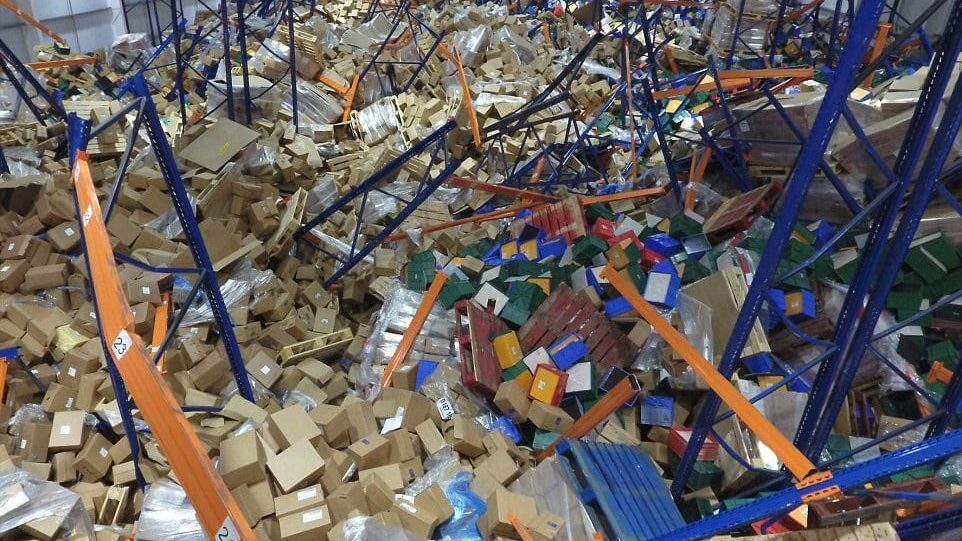
These accessories can help reduce the risk of damage and support safe operation alongside proper training, handling procedures and routine inspection.
How Safety Accessories Fit into Your Installation;
Whether column protectors, mesh or guards will benefit your installation depends on the specific traffic patterns, load types and racking configuration. Ask your supplier which accessories suit your system and request documentation of the accessory specifications, including what loads and impacts they are rated for. Accessories support safe operation but do not replace structural adequacy, safe handling procedures or regular inspection.
2. Custom Coating or Material Options for Shelf Racks
Depending on your industry and environment, standard racking materials may not be suitable. Ask your shelf racking supplier about custom coatings and material options, such as:
- Corrosion-Resistant Coating – Relevant for humid environments like cold storage or outdoor facilities. Ask for the coating specification and the conditions it is tested for.
- Fire-Resistant Coating – Ask the supplier and your project’s fire-safety designer whether specific fire protection is required and how its suitability will be documented.
- Heavy-Duty Steel – Confirm the material specification and approved capacity for the proposed rack configuration.
- Galvanized Coating – Confirm whether galvanizing suits the actual exposure, base steel, other finishes and maintenance plan.
- Powder Coating – Ask for the finish specification and evidence that it suits your operating and cleaning conditions.
- Anti-Microbial Coatings – Ask whether a specialist treatment is needed and available for the proposed product, and whether it is compatible with your cleaning process. Request evidence of its stated function and limits.


The Cost vs. Benefit of Custom Coatings
Whether a custom coating is worth the additional cost depends on your specific environment: humidity, temperature, chemical exposure and cleaning frequency. Ask the supplier to document the coating specification, what conditions it is tested for and its expected maintenance interval. A coating that suits your environment can reduce corrosion, but the actual service life improvement depends on the match between the coating and your operating conditions.
Unsure if you’re getting everything you need?
Chat with us about your loads, layout and handling needs. We can discuss the proposed accessories and services, including what is included in the quotation and what needs separate specification.
3. Racking Blueprint (Softcopy & Hardcopy) for Storage Optimization
A detailed racking blueprint is crucial for proper warehouse storage planning, placement, upgrades, and future modifications in the long run. Your racking supplier should provide:
- Softcopy (Digital File) – Helps in future adjustments, reconfigurations, and easy sharing with warehouse planners.
- Hardcopy (Printed Plan) – Useful for on-site reference and compliance documentation.
- Customization Options/Profiling – Offers a range of materials and layouts, allowing flexibility both for current needs and future expansion or modifications.
- Load Distribution Plans – Documents the intended loads and configuration for installer and operator reference; ask how revised loads or layouts will be assessed.
- Installation Specification – Documents the required anchoring, levelling and assembly method for the proposed layout, to be carried out by competent installers.
Why Digital Blueprints Are Essential for Warehouse Scalability
Detailed drawings support future modifications by providing an accurate record of the installed layout, component specifications and load ratings. When changes are needed, the original blueprint and configuration records allow the racking designer or manufacturer to review what is proposed against the existing system’s design basis, rather than working from measurements alone.
Must-Have Services from Your Racking Supplier
4. Professional Racking Installation & Compliance Assistance
Installation needs to follow the approved design and requirements for the proposed loads and site conditions. Ask whether the supplier provides:
- Professional Installation Services – Confirm installation responsibilities, competence and the checks required against the approved design.
- Safety Compliance Assistance – Clarify applicable project requirements, supplied documentation, and responsibility for review and sign-off.
- On-Site Supervision – Agree supervision responsibilities and competence requirements before work starts.
- Post-Installation Inspections – Confirm the handover checks and records required before use, and responsibility for resolving identified defects.
Key Installation Checks to Confirm with Your Supplier
Installation quality directly affects the safety and rated capacity of a racking system. Key points to confirm with your installer: anchoring method and base-plate specification, level and plumb checks after assembly, documented sign-off that the installation matches the approved layout drawing, and that the installed system’s load notices are posted before use.
5. Preventive Maintenance & Inspections for Storage Racks
Over time, storage racking systems will experience wear and tear, so a maintenance and inspection plan is important. Many racking suppliers offer maintenance plans, including:
- Regular Safety Inspections – Identifies early signs of damage or misalignment.
- Replacement of Worn-Out Parts – Damaged or worn components should be assessed and replaced with approved parts from the manufacturer.
- Damage Assessment and Approved Repair – Racks showing signs of damage or deformation require a competent assessment to determine whether repair or replacement is needed, using the manufacturer’s approved methods.
- Risk-Based Inspection Planning – Inspection scope and frequency should reflect the actual risks of your operation rather than a fixed calendar alone. Document findings and actions for each inspection. See our racking inspection guide for practical checklists.
Why Preventive Maintenance Matters
Inspection scope and frequency should be based on a risk assessment of your specific operation: traffic intensity, load types, environmental conditions and history of incidents or damage. The UK HSE guidance on work equipment inspection describes risk-based inspection, competence and records in the UK context. Confirm applicable Malaysian requirements separately when agreeing the inspection plan.
Conclusion: Be an Informed Buyer When Choosing a Shelf Racking Supplier
When purchasing a shelf racking system, it’s important to go beyond just the shelves. Asking the right questions can help you secure better safety, efficiency, and long-term value. From racking safety accessories and coating options to blueprints, installation support and maintenance planning, these factors can make a significant difference in your storage system’s performance.
In summary, by working with a shelf racking supplier that provides complete solutions, not just racks, you can address the full scope of your warehouse storage requirements. Always discuss these additional products and services before making a purchase, and confirm what is included in the quotation versus what is specified separately.
Use the quotation and supporting documents to compare proposals, then agree installation, handover and inspection responsibilities before placing an order.
Any more questions? Message us directly! Let’s discuss more and get your Free Consultation

How Hyperack Plan Your Racking System?
- Expertise: We review your warehouse information to develop layout options suited to your storage and handling needs.
- High-Tech Solutions: Our AutoCAD designs illustrate proposed storage and access arrangements so the project team can review capacity and handling requirements.
- Side-by-Side Comparisons: Our planning process allows you to compare layout options easily, helping you make informed decisions.
- Data-Driven Layout Analysis: We provide detailed numerical data for each layout, helping you understand the capacity and access trade-offs.
- Customization: Our custom racking systems are built to address specific requirements, helping identify a well-suited approach for your facility.