


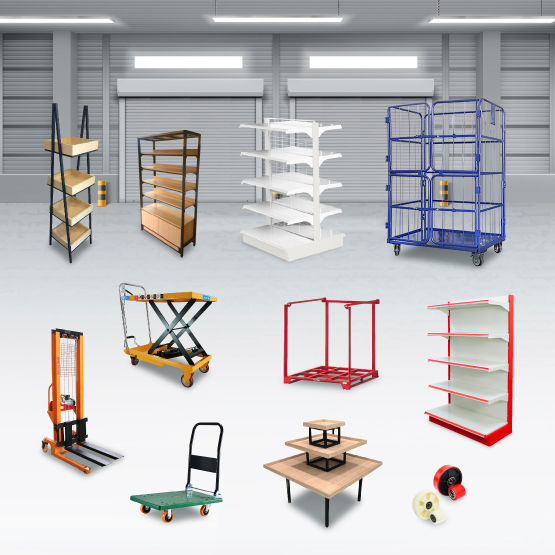
Warehouse racking
Second Hand Racking
Second-hand racking can be an option when the identified components, condition and documented load configuration suit your storage requirement. Compare the particular stock lot with an equivalent new-system proposal, including the usable positions and complete supply and installation scope.
Ask for the rack manufacturer and system identification, component quantities, dimensions, condition and available history. Request load documentation for the proposed arrangement and confirm what the stock-lot assessment covers. If you also need an assessment of racks already installed at your site, discuss the scope of a separate pallet racking inspection. Confirm stock availability and any delivery, installation and warranty terms against that quotation.
Use the racking quotation comparison worksheet to compare scope. For technical background on history, compatibility and load information, see SEMA’s second-hand racking guidance. Confirm the requirements for your own site and proposed system.
Ideal for
- Warehouse storage: Compare the identified lot with your loaded pallets, required positions and handling equipment.
- Industrial use: Confirm documented loads, component condition and the proposed installed arrangement.
- Retail or stockroom use: Match the shelf or pallet layout, access and available site dimensions.
Advantages
- Comparable cost: Compare the complete used and new proposals for the same requirement.
- Identified availability: Confirm the actual components and quantities offered in the quotation.
- Documented condition: Request the assessment scope and available load or component records.
- Future changes: Review compatibility and load implications before relocation or expansion.
- Project fit: Match the offered configuration with your loads, layout and operating process.
5 Easy Steps
1. Send Details
Send the load weight and dimensions, the number of storage positions you need and the space available. Include any existing rack details if you are extending a system.
2. Check the Lot
Ask which lot is available and which uprights, beams and accessories it contains. Check the condition, visible wear and any available records of previous use or inspection.
3. Confirm Fit
Check that the proposed components match. Ask for the rated load and configuration in writing, and confirm the rack fits your loads, handling equipment and available space.
4. Compare Quotes
Compare written quotations against the same lot and component list. Check the scope, price, delivery and setup costs, exclusions and any warranty terms for that lot.
5. Plan Delivery
Confirm delivery arrangements, site access and any assembly included in the quotation. Ask which condition or installation checks are included and which need a separate arrangement.
Ready to make a change?
For a second-hand racking enquiry, share:
- Loaded-pallet or item dimensions, maximum mass and required storage quantity
- Available site plan, clear height, columns, doors and handling equipment
- Required rack type, bay and level arrangement, access and stock rotation
- Exact stock-lot identification, component quantities, condition and load records
- Delivery postcode, timing, installation, warranty and assessment scope to be quoted
Request a second-hand racking quote to confirm the available lot and written proposal. Select Others under Enquiry on and enter “second-hand racking” and the stock lot, if known, in Message.

FAQ
What should I check before buying used racking?
Hyperack offers assessments to help select used racking. Check the exact stock lot: manufacturer and system identification, component types and quantities, dimensions, condition, available history and load documentation for the proposed arrangement. Compare these with your loaded pallets, required positions, handling equipment and site. Confirm which checks are included, who carries them out and what written findings or handover documents will be supplied.
Is used racking safe for industrial use?
Suitability depends on the identified components, their condition, the documented load limits and the proposed installation and use. Ask for an assessment of the actual lot and the complete arrangement. A photograph, fresh paint or a general inspection claim does not establish that every used rack is suitable for every industrial load or layout.
Can used racking be customized for different warehouse layouts?
A different layout needs a review of the identified system, compatible components, condition and load documentation. Confirm the proposed bay dimensions, beam levels, floor and fixing requirements, clearances and handling method. Do not assume parts from different systems can be mixed or that moving a beam leaves the previous capacity unchanged; obtain the appropriate manufacturer or competent design advice.
Do your used racks come with a warranty?
Selected second-hand racking products from Hyperack include a warranty. Confirm whether the quoted lot is covered and request the written period, covered components or defects, exclusions, claim route and responsibility for removal, transport or reinstallation where relevant. Keep the agreed terms with the quotation.
How much can I save by purchasing racking second hand?
Compare an actual used-rack proposal with an equivalent new-rack proposal. Match the usable positions, load configuration and included work, then include delivery, installation, replacement parts and any required assessments. The saving depends on those quotations; this page does not establish a standard percentage or a saving for every project. Use the same cost scope and storage quantity before comparing totals.
How do I determine the right type of used racking for my warehouse?
Start with your goods or loaded-pallet dimensions and maximum mass, storage quantity, SKU mix, stock rotation and access needs. Add forklift details and the available layout, height, columns and doors. Compare the available identified stock with that brief rather than choosing only by price or appearance. Mark missing measurements or load records for confirmation before ordering.
What are common signs of wear and tear in used racking?
Look for distortion, impact damage, missing or mismatched components, corrosion, damaged connections and signs of previous repair or alteration. Record what you find and ask a competent assessor to determine its significance for the identified system and proposed use. Do not dismiss corrosion or damage as cosmetic without assessment, or use appearance alone to infer remaining capacity.
Can used racking be relocated or expanded later?
A relocation or expansion needs a fresh review of the system identity, condition, compatible parts, proposed configuration and available load documentation. Check the new site, handling equipment and fixing requirements before planning the work. Ask which dismantling, transport, installation and handover tasks are included. Modularity alone does not establish that a system can be moved or extended without further checks.
Are there safety regulations for using second-hand racking in Malaysia?
Confirm the requirements applicable to your Malaysian site, proposed storage system and work scope with a competent local adviser and the responsible parties. Ask the supplier to identify the design and load documentation, installation responsibilities and inspection arrangements relevant to the proposal. A general product-page statement or an overseas guidance document does not establish statutory compliance for every used-racking installation.
How do I maintain used racking for long-term use?
Keep the installed configuration, load information and operating instructions available to users. Follow the agreed loading limits and inspection and maintenance arrangements, report damage and obtain advice before repairs or alterations. Record findings and completed actions. Confirm the appropriate inspection scope and frequency for the actual system, environment and use rather than relying on a generic lifespan claim.
Where can I buy quality racking second hand near me?
Contact Hyperack in Malaysia about second-hand racking, delivery and setup services. Share your delivery postcode, loads, layout and timing, and confirm the stock lot’s availability, quantity, condition, dimensions and documentation. Agree the collection or delivery arrangements, setup scope and timing in the written quotation.