

What is a Double Deep Racking System?
- 22/11/2024
- Posted by: macgad-admin
- Category: Racking System
What is a Double Deep Racking System?
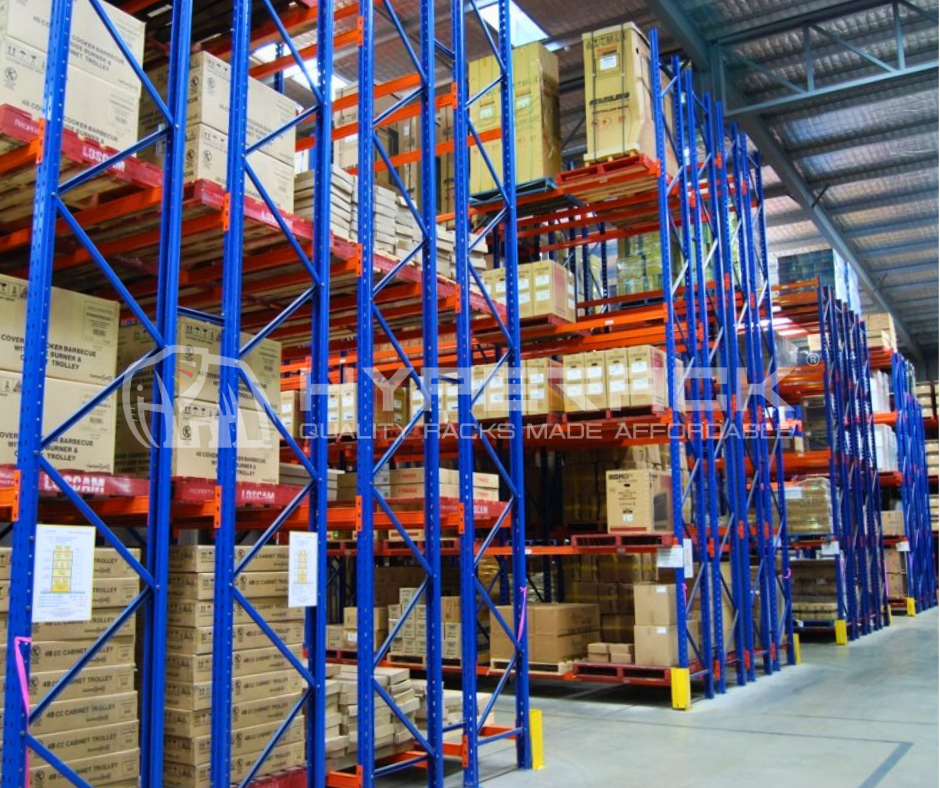
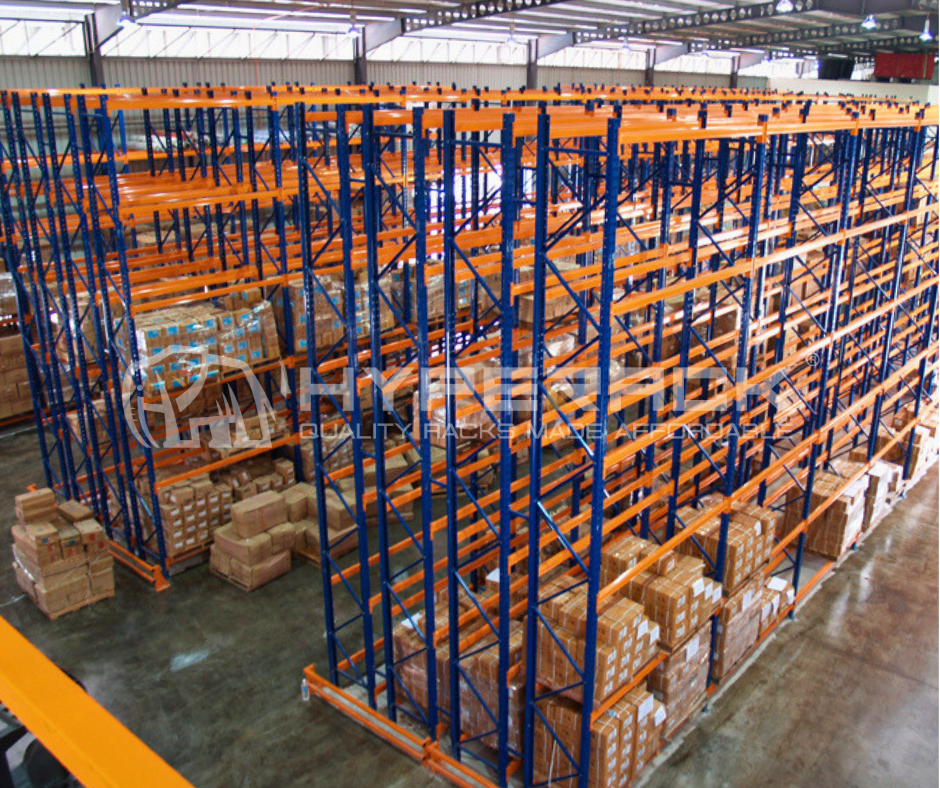
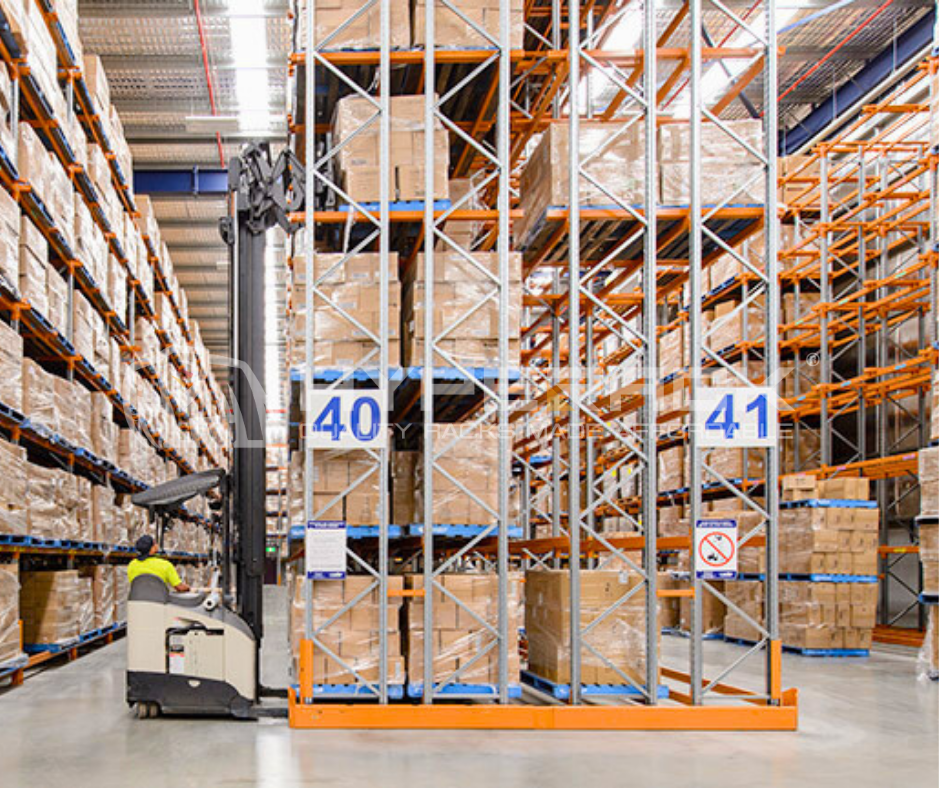
A double deep racking system stores pallets two positions deep from each pick face, reducing the number of aisles needed compared to standard selective racking. Because the front pallet blocks physical access to the rear position, the front pallet is removed first under normal site procedure. Each pallet pair therefore operates as Last In, First Out (LIFO) by default. Double deep racking suits warehouses storing multiple pallets of the same SKU, where compatible batch rotation and a reduction in aisle count match the operation’s throughput and stock-rotation requirements.
How Does a Double Deep Racking System Work?
In a double deep configuration, two pallet positions sit one behind the other from a single aisle face. The rear position is loaded first, then the front. When retrieving, the front pallet comes out first. Once the front position is clear, a compatible double-deep reach truck extends its pantograph or telescoping forks to pick the rear pallet.
The truck must be specified for the actual pallet load, required lift height, reach depth and residual rated capacity at full extension. The aisle width needed depends on the specific truck model and load dimensions, so these are confirmed during the racking design stage rather than taken from general guidelines.
Selective vs Double Deep Racking
The choice between selective and double deep racking depends on your product mix, rotation needs and available floor space. Actual figures depend on the specific racking design, truck specification and warehouse layout.
On a phone, swipe the table sideways to see all columns.
| Factor | Selective (Single Deep) | Double Deep |
|---|---|---|
| Pallet access | Direct access to every individual position | Front position accessed first; rear only after front is cleared |
| Stock rotation | Individual pallet access supports planned stock rotation | LIFO per pair; FIFO needs deliberate controls or a different design |
| Aisle count | Each pallet position is directly served from an aisle | Fewer aisles for the same number of pallet positions |
| Truck requirement | Compatible truck selected for load, lift height and aisle layout | Compatible double-deep reach truck, specified for load and layout |
| Best suited for | Many different SKUs, frequent individual picks | Multiple pallets per SKU, batch movement, compatible rotation |
When to Consider Double Deep Racking
- Multiple pallets per SKU: The system works best when several pallets of the same product are stored together, so the LIFO pair rotation is practical for your operation.
- Floor space is at a premium: Reducing aisle count frees floor area for additional pallet positions, provided the warehouse layout accommodates the required aisle envelope for the specified truck.
- Compatible truck available or budgeted: Confirm that a double-deep reach truck rated for your actual loads and lift heights is available or planned. A generic forklift attachment does not by itself establish compatibility.
What to Prepare for a Double Deep Racking Quote
A racking designer needs specific site and load information to produce an accurate layout and quotation. Having these details ready shortens the process:
- Loaded pallet dimensions and weight: length, width, height and gross weight of each pallet type you intend to store.
- SKU quantities and rotation: how many pallets of each product, how frequently they move, and whether LIFO rotation per pair is acceptable or FIFO is required.
- Warehouse floor plan: overall dimensions, column positions, door locations, height restrictions and available floor information for the designer to assess.
- Truck make, model and rated capacity chart: if you already have a double-deep reach truck, its rated capacity at each lift height and reach depth. If not, the designer can factor truck selection into the layout.
- Floor condition and site constraints: floor flatness, obstructions, fire-system clearances and any local regulatory requirements that affect racking height or aisle width.
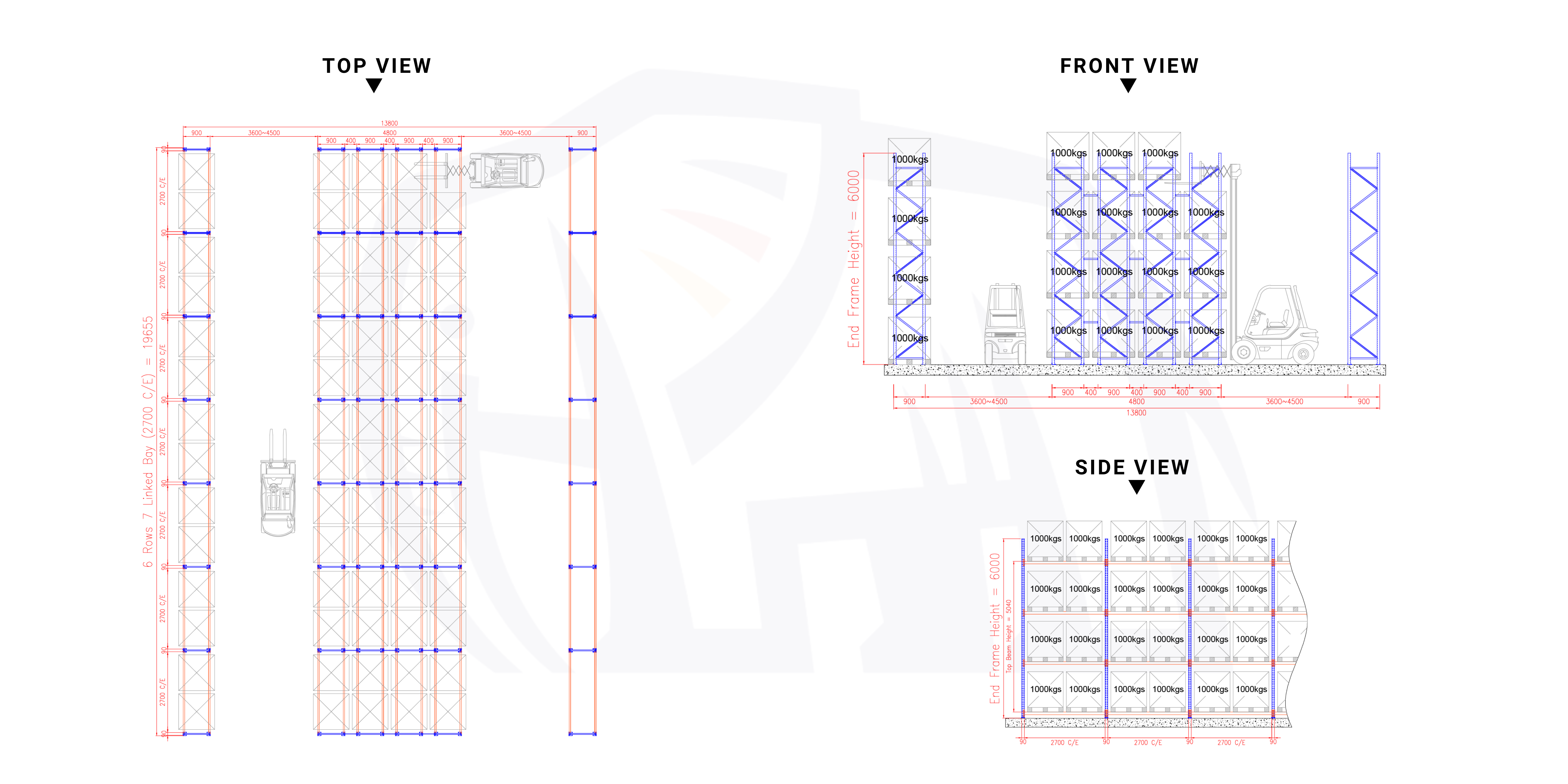
Ready to explore whether double deep racking suits your warehouse? At HYPERACK, we design and supply racking systems for Malaysian warehouses. Contact us for a consultation, and our team can review your floor plan and load requirements. Hyperack’s published examples include its selective pallet racking project for Shopee in Shah Alam (August 2019) and its double-deep pallet racking project for CLF Trading in Mentakab (July 2019). Use these examples to identify layouts to discuss, then compare direct pallet access, reach-truck requirements and usable positions on drawings for your own site.
General Technical Reading
The following resources explain double deep racking mechanics from established storage-system sources. They are general technical references, not specific to Hyperack’s supplied equipment or site designs.
- Dexion Asia Pacific: Double Deep Racking (reduced aisle count, partial direct access, specialised reach requirements).
- SJF Material Handling: Double Deep Rack (rear position loaded before front, LIFO operation).
- SEC Group: Double Deep Pallet Racking (rear accessed once front removed, LIFO).