
Sustainable Racking Systems: Eco-Friendly Storage Solutions for Modern Warehouses
- 19/03/2025
- Posted by: macgad-admin
- Category: Racking System
As sustainability becomes a strategic consideration in every industry, modern warehouses are increasingly evaluating eco-friendly options for their storage systems. Racking systems with documented sustainable material choices offer one element of a warehouse’s environmental strategy, alongside layout, operations and handling equipment.
Introduction
The warehouse industry is giving growing attention to environmental considerations alongside cost and operational efficiency. This article examines what to look for when evaluating racking systems on sustainability criteria, what evidence to request from suppliers, and how to separate material-level environmental attributes from wider warehouse operational factors.
Why Sustainable Racking Systems Matter
Environmental Impact
Assess the materials in each proposed rack against a defined environmental baseline. Any claimed benefit depends on the specific product, its material provenance, manufacturing process and assessment scope. A general sustainability label does not by itself quantify emissions reduction or waste prevention.
- Material Evidence: Ask the supplier to document the recycled content, material origin and manufacturing location. Energy use in manufacturing varies by facility and process; request specific data rather than accepting general claims.
- End-of-Life Planning: Modular designs may extend useful life by allowing component reuse. Confirm whether the specific components can be recycled through available local routes and what documentation supports this.
Cost and Operational Considerations
Environmental attributes and cost are separate questions that both need project-specific evidence. When comparing racking options on sustainability criteria, distinguish between the rack’s own material and manufacturing impact and the wider warehouse operational costs that depend on layout, equipment and usage.
- Operational Cost Clarity: The static rack structure does not itself draw electricity; powered storage or handling equipment should be assessed separately. Operational costs such as lighting, cooling and material handling depend on the warehouse layout and usage rather than the racking material alone.
- Durability Assessment: Request the supplier’s documented design life and warranty terms for the specific material and coating in your operating environment, rather than relying on general claims about eco-friendly material longevity.
- Regulatory Scope: Identify the specific environmental regulations applicable to your industry and jurisdiction. Ask suppliers to confirm which standards or certifications their products meet and what those certifications actually cover.


Key Features of Eco-Friendly Racking Systems
Use of Sustainable Materials
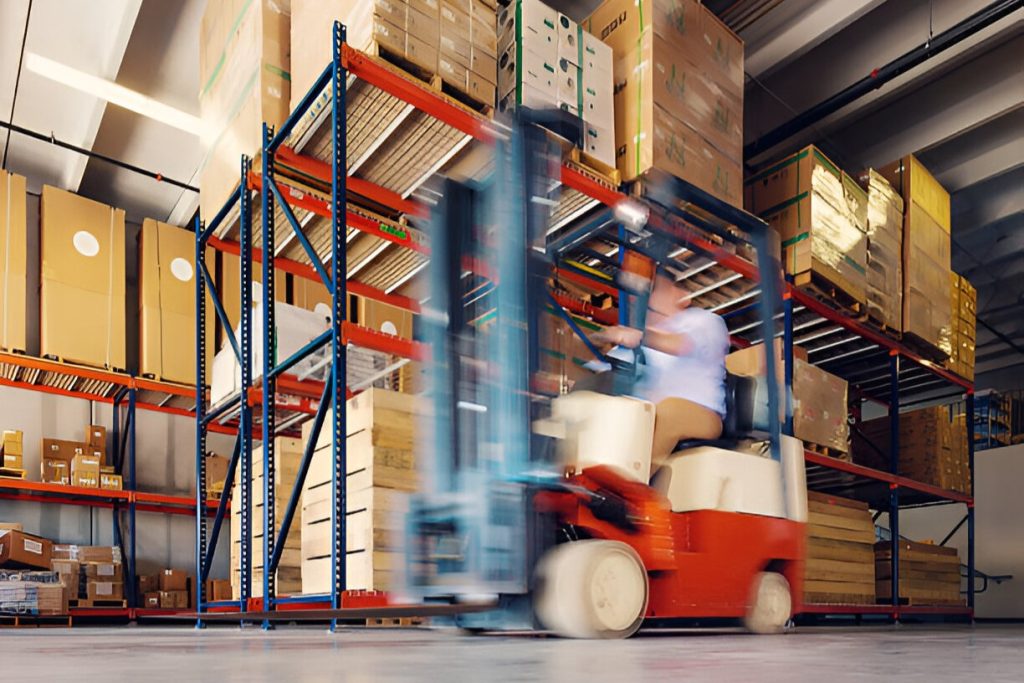
When evaluating racking systems on environmental criteria, consider requesting documentation for:
- Recycled Steel and Aluminum: Reusing metals conserves resources. Ask the supplier to document the recycled content percentage and confirm that the material meets the structural grade required for your load specification.
- Material Provenance and Recycled-Content Evidence: Request material certificates for grade and composition, alongside separate product-specific evidence of origin and recycled content. Recycled content alone does not confirm structural suitability, coating compatibility or durability in your operating environment.
- Finish Documentation and End-of-Life Routes: Ask for the coating specification, its suitability for your warehouse conditions (temperature, humidity, chemical exposure) and whether components can be recycled or reused at end of life. The environmental benefit of a finish depends on these specifics rather than a single label.
Design and Manufacturing Considerations
Manufacturing processes vary between suppliers. When comparing options, ask for documented evidence of the manufacturing methods used, including any energy or waste reduction measures, rather than accepting general claims. The actual environmental impact of manufacturing depends on the specific facility, process and materials.
Modular and Adaptive Design
Modular storage solutions allow warehouses to reconfigure layouts as operational needs evolve. Reuse may reduce the need for complete replacement, but component compatibility, condition and the capacity of the proposed layout need competent assessment. Review what is involved in moving or altering existing racking before planning a change.
Implementation Strategies for a Green Warehouse
Conduct a Sustainability Audit
Before investing in new racking systems, conduct an audit to assess your current environmental impact. Identify areas where sustainable practices can yield the greatest benefits, from energy consumption to material waste.
Evaluate Certifications and Their Scope
When evaluating environmental claims, ask which specific certification the product holds, the issuing body, what criteria it covers, and whether its scope includes structural and safety assessment or only environmental attributes. An environmental label and a structural safety certification are separate assessments with distinct criteria. As the US EPA explains, a product’s environmental profile spans raw materials, manufacturing, use and disposal, with hotspots varying by product.
Train Staff on Sustainable Practices
Implement training programs that educate employees on the benefits of sustainable practices, including proper maintenance and recycling procedures. A culture of sustainability can lead to improved efficiency and reduced waste over time.
Leverage Technology
Digital tools and IoT sensors can monitor selected operational variables within a defined scope. For a static rack structure, energy monitoring generally concerns associated warehouse operations such as powered handling equipment, lighting and HVAC. See our IoT-enabled racking guide for practical monitoring considerations.
Overcoming Challenges
Comparing Initial and Ongoing Costs
Sustainable material options may carry a higher upfront cost. Whether this is offset by longer service life, lower maintenance or end-of-life value depends on your specific environment, usage and the documented evidence the supplier provides. Avoid assuming long-term payback without project-specific cost modelling.
Integration with Existing Infrastructure
Carefully plan the integration of new eco-friendly systems with legacy structures. Consider phased implementation or modular upgrades that minimize disruption to ongoing operations.
Balancing Sustainability and Performance
Ensure that sustainability goals do not compromise operational performance. Collaborate with vendors who can document both the structural performance and the environmental attributes of their products.
Planning a Sustainability Comparison for Your Warehouse
Rather than relying on generalised results, establish a measured basis for comparing racking options on environmental criteria relevant to your operation:
- Request documented recycled content and material origin, with environmental product declarations where available. Check that comparisons use the same storage function and compatible assessment boundaries; a declaration alone does not prove that one option has lower impact.
- Separate the rack’s own material and manufacturing impact from warehouse operational costs such as lighting, cooling and handling equipment, which depend on site layout and usage rather than the racking itself.
- Compare end-of-life routes: whether components can be reused, recycled or must be disposed of, and what documentation the supplier provides for each.
A structured quotation comparison that includes these environmental data points alongside price and capacity helps assess claimed impacts and the evidence behind each option for your facility.
Future Trends in Sustainable Warehouse Solutions
Interest in sustainable warehouse practices is growing. How requirements develop will depend on industry-specific regulations, customer expectations and available materials. Areas to watch include:
- Recycled Material Development: Ongoing development in recycled steel grades and alternative materials, with environmental claims requiring product-specific evidence.
- Operational Monitoring: Integration of sensors and analytics for tracking warehouse operational metrics, with environmental benefits depending on what is measured and how data informs decisions.
- Circular Economy Considerations: Planning for component reuse, recycling and documented end-of-life routes from the design stage.
Conclusion
Racking systems with documented sustainable material choices offer one element of a warehouse’s environmental strategy. By requesting specific evidence on recycled content, finish suitability and end-of-life routes, businesses can make informed comparisons rather than relying on general claims.
Evaluate environmental evidence alongside price, capacity and durability, keeping the assessment boundary and operating assumptions clear. A structured quotation comparison that includes material documentation makes this practical.