


IoT-Enabled Racking Systems: Predictive Maintenance and Real-Time Monitoring
- 26/03/2025
- Posted by: macgad-admin
- Category: Racking System
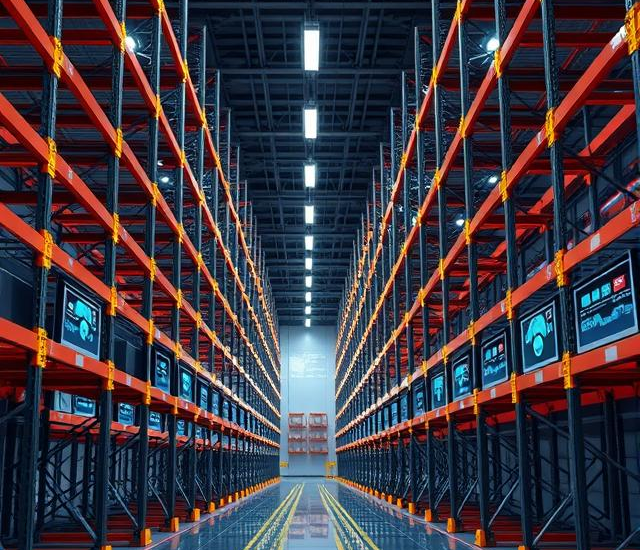
In today’s fast-paced warehousing and logistics environment, efficiency and safety are paramount. Integrating Internet of Things (IoT) technology into racking systems is an emerging approach to warehouse monitoring, enabling data collection on selected operating conditions. Where sensor data is well understood and the analytics validated, this approach can contribute to more informed maintenance decisions.
Introduction
Modern warehouses face constant pressure to optimize space, manage inventory, and reduce operational costs. Traditional racking systems, while effective, are prone to wear and tear and can suffer from unexpected failures. With the advent of IoT technology, racking systems can be fitted with sensors that collect operational data. Sensors, data analytics, and cloud connectivity allow for ongoing readings from the monitored variables, providing data that, when properly validated against the specific racking setup, can inform maintenance planning.
The Role of IoT in Modern Warehousing
What Are IoT-Enabled Racking Systems?
IoT-enabled racking systems integrate sensors and wireless communication devices into traditional storage infrastructure. These systems collect data on selected variables such as load weight, temperature and vibration levels, depending on the sensors installed and their placement. This data can then be reviewed to identify patterns, though interpretation requires validation against the specific racking configuration and operating conditions.
Benefits of IoT Integration
- Condition-Based Maintenance:
Sensors can flag readings that fall outside a defined baseline for the monitored variables. Whether a particular reading indicates actual wear or stress depends on the sensor type, placement, calibration and the validation performed for that specific racking configuration. Sensor alerts inform planning but do not replace a competent physical inspection. - Real-Time Monitoring:
Continuous data feeds can provide ongoing readings from the monitored variables. Warehouse managers can review trends, investigate anomalies and use the information alongside configuration-specific load notices when planning operational adjustments. - Safety Monitoring:
Load-cell data can indicate when measured weight approaches a configured threshold, providing an additional check alongside the racking system’s load notices. Sensors do not independently assess overall structural condition, and monitoring data alone does not establish regulatory compliance. Physical inspection by a competent person remains necessary. - Operational Data:
Real-time data can support more informed operational decisions. Whether it leads to measurable improvements in space utilization or handling efficiency depends on how the data is integrated into your existing workflow and management practices.

How Predictive Maintenance Works
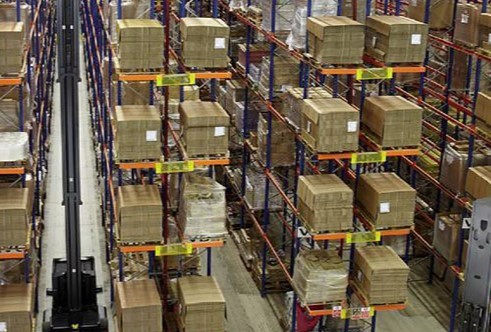
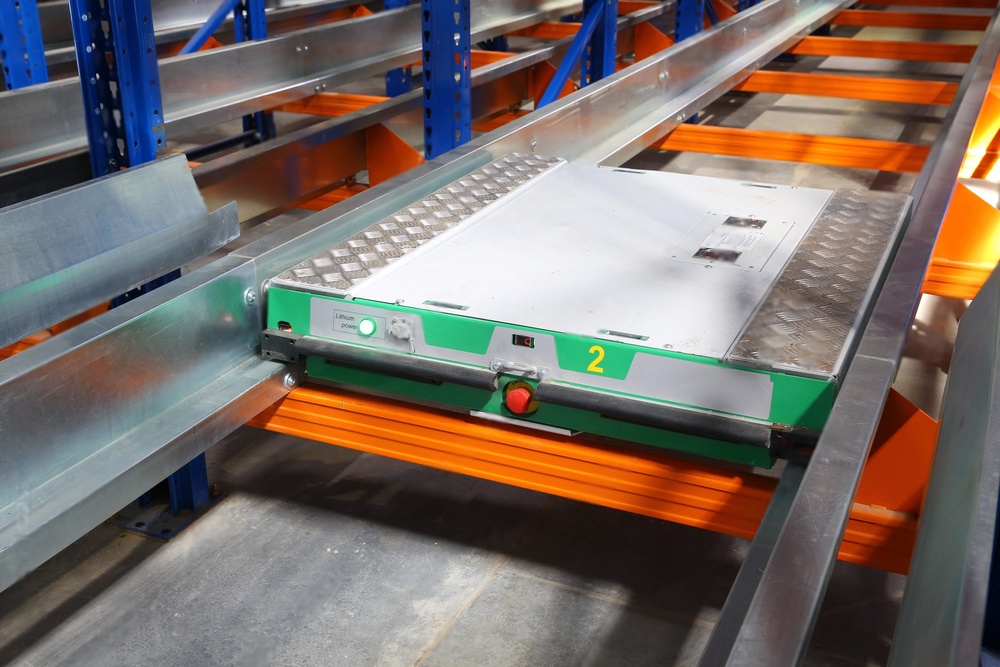
Predictive maintenance methods use sensor data and validated analysis to inform maintenance planning. They complement the inspection and maintenance activities required for the equipment and operating environment. The concept is well established in manufacturing contexts; NIST’s monitoring, diagnostics and prognostics research addresses trust, verification and validation of sensing and analytics systems, primarily in robot workcells and machine tools. Applying similar approaches to racking requires its own validation, since racking structures, load patterns and failure modes differ from machine tools.
Key Components of Predictive Maintenance:
- Data Collection:
Sensors measure various parameters such as load stress, temperature fluctuations, and vibration levels. These metrics can serve as early indicators, though their significance depends on the sensor setup and the validation performed for each specific installation. - Data Analysis:
Analytics tools process the collected data to flag readings outside the established baseline. For example, a change in vibration readings may warrant further investigation, though the cause could range from a change in loading pattern to environmental factors rather than structural wear. A qualified assessment is needed to determine the significance of any anomaly. - Maintenance Scheduling:
Validated readings can inform additional investigation and maintenance planning. Continue the inspection and maintenance schedule established for the equipment, applicable requirements and site risks; a dashboard reading does not by itself justify deferring a required check. - Continuous Improvement:
Over time, data trends can help refine maintenance protocols, provided the data is regularly validated against physical inspection findings.
Real-Time Monitoring in Warehouse Racking
Real-time monitoring enables warehouse managers to observe readings from their racking system sensors as they are collected. This visibility can be useful for investigating events as they happen.
Advantages of Real-Time Monitoring:
- Instant Alerts:
When sensors detect a parameter that exceeds a configured threshold, an alert can be sent to the maintenance team for investigation. - Dynamic Load Management:
Review load data alongside configuration-specific load notices and approved loading plans. Any loading or configuration change should follow the relevant supplier instructions and site procedures; sensor readings do not authorise exceeding a rated load. - Data-Driven Decision Making:
Historical and current data trends can help identify patterns and inform warehouse layout or maintenance planning decisions. - Remote Access:
Where connectivity and access permissions support it, a cloud dashboard can let authorised staff review sensor readings remotely and coordinate an investigation.
Implementation Strategies
Integrating IoT into Existing Systems
- Retrofitting Existing Racks:
Some racking configurations may accommodate retrofitted sensors, depending on the frame geometry, material, cabling access and whether the sensor type is suited to the environment. A site assessment is needed to determine feasibility, and any retrofit requires careful consideration of sensor placement relative to load paths and operating conditions. - Choosing the Right Technology:
Check whether a prospective IoT platform can communicate with your existing warehouse management system and what integration work is involved. Compatibility varies between vendors and WMS versions. - Training and Support:
Successful implementation depends on training staff to interpret data and respond to alerts. Consider what level of support the sensor vendor provides and whether your team has the technical background to maintain the system over time.
Overcoming Common Challenges
- Data Security:
With increased connectivity comes the need for robust cybersecurity measures. Evaluate your IoT platform’s data handling, access controls and compliance with relevant standards before deployment. - Initial Investment:
IoT integration involves upfront hardware, installation, software and ongoing data-management costs. Whether the investment proves worthwhile depends on the specific operation, the maintenance problems you are trying to solve and how effectively the data is used. - System Integration:
Confirm that your IoT solution can communicate with existing systems and that you have the necessary infrastructure in place to support the data transmission your sensor layout requires.
Future Trends in IoT-Enabled Racking Systems
The evolution of IoT technology continues to push the boundaries of warehouse monitoring. Developments to watch include:
- Enhanced Analytics:
Future systems may incorporate more refined analytics, though prediction accuracy depends on data quality, sensor coverage and validation against real-world outcomes in each specific installation. - Integration with AI:
Artificial intelligence may further support data analysis and pattern recognition, though the value of any automated recommendation depends on how well the model has been validated for the specific racking type and operating environment. - Increased Connectivity:
Evolving wireless networks may improve data-transmission options for sensor-equipped warehouses, though the practical benefit depends on the facility’s connectivity requirements and existing infrastructure.
Conclusion
IoT sensors can add a layer of data collection to warehouse racking, giving operators more information about selected operating conditions than periodic manual checks alone provide. The value of that data depends on the sensors chosen, the validation performed and how the information is acted upon. Sensor monitoring complements but does not replace competent physical inspection, configuration-specific load notices and a site-appropriate inspection programme.