


What is ASRS Racking?
- 27/12/2024
- Posted by: macgad-admin
- Category: Racking System
What is ASRS Racking?
Automated Storage and Retrieval Systems (ASRS) combine equipment and controls to place and retrieve loads at defined storage locations. This guide explains racking selection, load handling and the inputs needed to compare an ASRS proposal. Density, throughput, staffing and cost depend on the proposed configuration and warehouse workflow. For general industry background, see MHI’s ASRS overview.
How Does an ASRS Racking System Work?
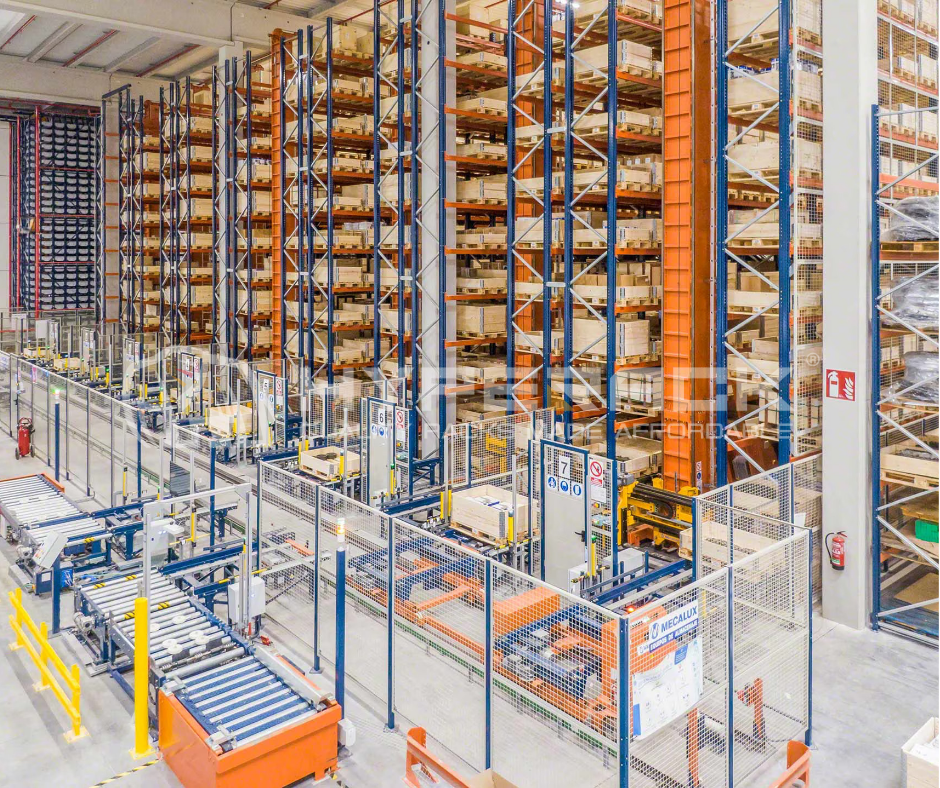
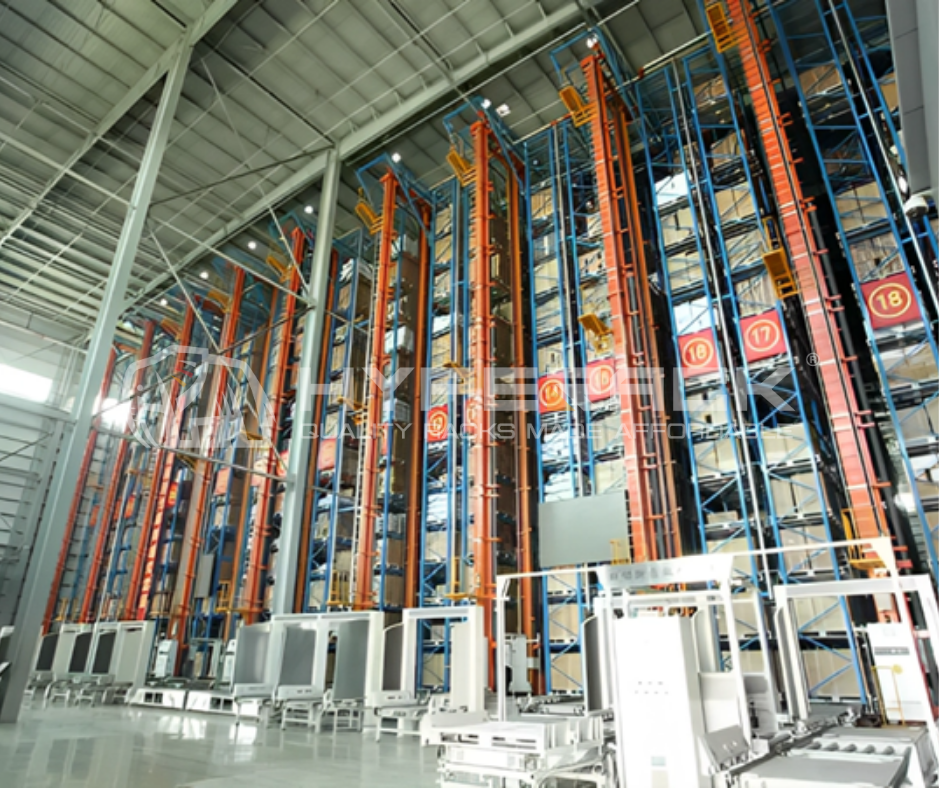
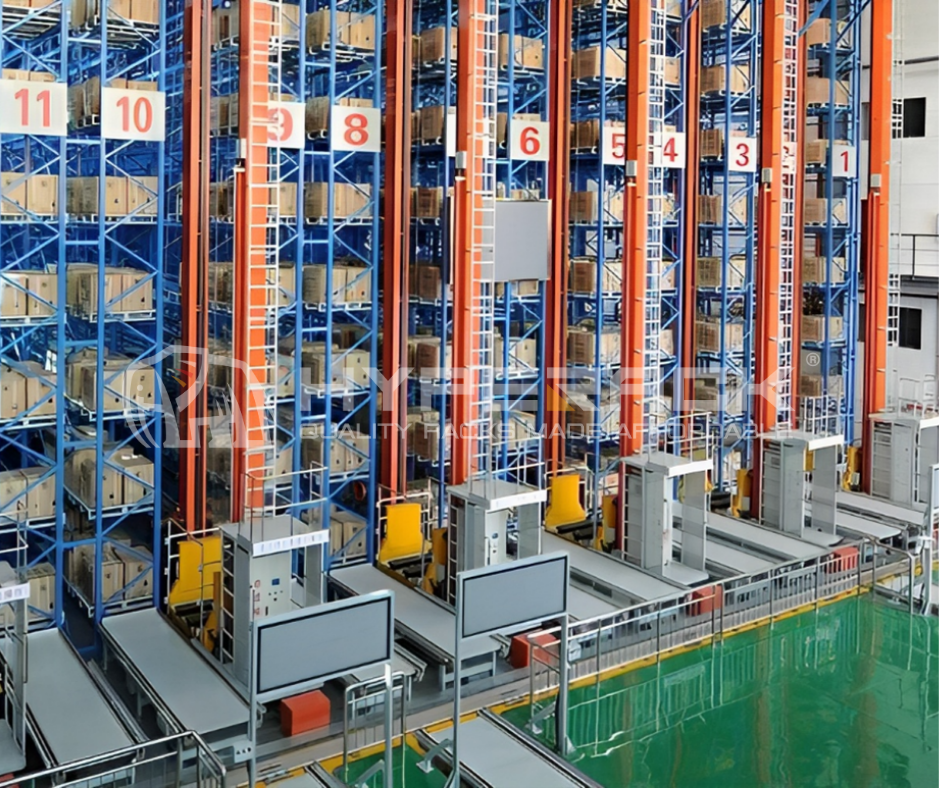
You might wonder, how does ASRS actually work? At its core, an ASRS racking system employs advanced automated machinery to streamline the process of storing and retrieving pallets or items. Depending on the configuration, the system may include stacker cranes, shuttles, lifts and conveyors, each performing a defined role in the storage and retrieval cycle. Compare Hyperack’s stacker-crane racking and four-way shuttle racking options.
For instance, when a pallet needs to be stored, it is presented at the system’s input handover point. From there, a configured crane or shuttle moves the pallet to its assigned location within the racking structure, and the control system confirms the position. When a retrieval is requested, the equipment locates and returns the pallet to the output point. The specific equipment, handover method and control interface depend on the technology selected and the site layout.
Benefits of an ASRS Racking System
Assess the proposed benefits against your warehouse requirements and the same operating baseline:
- Storage Density
Compare the proposed usable storage positions with your current layout. Account for rack height, lane depth, SKU allocation, transfer points and service space; ASRS designs differ, so a density gain must be demonstrated for the proposed arrangement. - Project and Ongoing Costs
Identify which handling tasks the proposed equipment automates and which remain with operators. Compare total project and ongoing costs, including racking, handling equipment, controls, software integration, site preparation, testing and service, against the same workflow baseline. - Inventory Data and Interfaces
Agree how storage locations, stock movements and exceptions will be recorded. Inventory functions and equipment controls must exchange the data required by the proposed workflow; confirm the update rules, interfaces and acceptance tests rather than assuming automatic accuracy or real-time integration. - Expansion Planning
Check whether the proposed rack, handling equipment, transfer points, power, controls and software can accommodate the intended growth. Additional storage positions or machines may require changes to other parts of the system; ask for the expansion assumptions and limitations in writing.
When to Use ASRS Racking Systems?
You might be asking yourself, when should I consider ASRS for my warehouse? Here are some key checks:
- Throughput Profile: Document your simultaneous peak inbound and outbound pallet movements per hour. The proposed system’s cycle time and number of machines must support that peak, not just the daily average.
- Usable Building Envelope: Record the clear height, obstructions and available service space, and share existing floor drawings or load information. The responsible design parties must verify floor, rack and equipment requirements for the proposed layout.
- Inventory and Software Interfaces: Confirm how your warehouse management system will exchange location data and movement instructions with the equipment controls, and agree who is responsible for integration, testing and ongoing support.
ASRS Racking System vs. Other Racking Systems
Choosing the right storage system is vital. Here’s how ASRS compares with other popular racking options:
| Feature | ASRS Racking | Selective Racking | Drive-In Racking | Push Back Racking |
|---|---|---|---|---|
| Storage Density | Layout-dependent; can be high with deep lanes or tall bays | Separate aisles; layout-dependent | Deep lanes; SKU allocation matters | Multi-deep; cart-design dependent |
| Accessibility | System-managed; operator requests via software | Direct forklift access to each position | Single-ended LIFO only | LIFO; limited by cart count per lane |
| Equipment Needed | Specified handling equipment and controls | Compatible forklift and aisle | Compatible truck; lane clearance | Compatible truck; carts per lane |
| Best For | Operations whose throughput and density justify automation | Many SKUs needing direct access | Batch lanes with compatible rotation | LIFO batch storage with moderate depth |
Selective Racking gives direct access to every pallet but uses more aisle space. Drive-In Racking increases density with deep lanes, but access is limited to the lane end (LIFO). Whether ASRS is the right choice depends on your throughput requirement, SKU mix and budget, not on density alone.
Installation Guide for an ASRS Racking System
Setting up an ASRS racking system involves careful planning. Here’s a straightforward guide to help you get started:
- Assess Your Needs: Evaluate your warehouse operations and determine the best layout for the ASRS system to optimize workflow.
- Specify Pallet Loads: Provide the exact pallet dimensions, loaded mass and stability characteristics for each SKU the system will handle. The racking, carrier and equipment are all sized to these figures.
- Design the System: Collaborate with a reputable supplier to create a system that meets your specific requirements, including the type of automation best suited for your operation.
- Install and Test: Agree commissioning and acceptance tests for the specified loads, peak movements, interfaces and exception handling, with the responsible equipment and integration parties.
Cost of Installing an ASRS Racking System
An ASRS project includes several cost scopes: the racking structure, the handling equipment (crane, shuttle or both), the control and software systems, integration and commissioning, site preparation, and ongoing service and spare parts. Each scope may come from a different supplier. To compare quotations fairly, ensure every supplier prices the same pallet positions, the same peak throughput and the same operating assumptions. See Hyperack’s guide to comparing racking quotations for a breakdown of what to check.
Best Racking System Provider?
Selecting the right ASRS provider is crucial for a successful implementation. Here are some tips to find a reputable supplier:
- Research Local Suppliers: Look for companies in Malaysia with a solid track record in ASRS installations. Additionally, customer testimonials can provide insights into their reliability and service quality.
- Request Written Scope and Responsibilities: Ask each supplier to state in writing exactly what they supply, what they install, what testing they perform, and where their responsibility ends. Confirm warranty scope, exclusions and the process for spare parts.
- Evaluate Customer Support: Choose a provider that offers comprehensive customer service, including installation, training, and ongoing support.
- Compare Pricing and Warranties: Obtain quotes from multiple suppliers to find the best deal. Moreover, review warranty terms to safeguard your investment.
Planning an ASRS racking project? Hyperack supplies and installs the racking components that form the storage structure. Contact us with your load data and site dimensions to discuss the racking layout and confirm the project scope. Confirm who supplies the handling equipment and who handles controls integration and commissioning. Use the ASRS racking quotation checklist to prepare your brief.
Conclusion
Whether ASRS is the right investment depends on your specific throughput, density and budget requirements. Prepare your pallet data, peak flow figures and site measurements, then compare proposals that cover the full project scope: racking, equipment, controls, integration, testing and ongoing service. A well-specified comparison is the most reliable way to decide.
ASRS Racking Quotation Checklist
- Pallet Specification: Carrier type, pallet dimensions, loaded mass and load stability for every SKU the system will handle.
- Inventory Profile: Number of SKUs, pallet positions per SKU and stock rotation (FIFO, LIFO or by date) required for each product group.
- Peak Throughput: Simultaneous inbound and outbound pallet movements per hour at peak, plus the daily operating window.
- Site Dimensions: Usable clear height, available floor drawings or load information, ambient conditions and required service clearances.
- Interfaces and Responsibilities: Which parties supply the equipment, software, integration, testing and ongoing service, and how each handover is defined in the proposal.