


Racking or Stacking: The Battle for Racking and Storage
- 23/08/2024
- Posted by: macgad-admin
- Category: Racking System
Racking and Storage in Warehouse
Racking or stacking? Both are common approaches to warehouse racking and storage, and each has strengths and limitations depending on what you store, how you handle it and the space available. Let’s compare them.
What’s the Racking About?
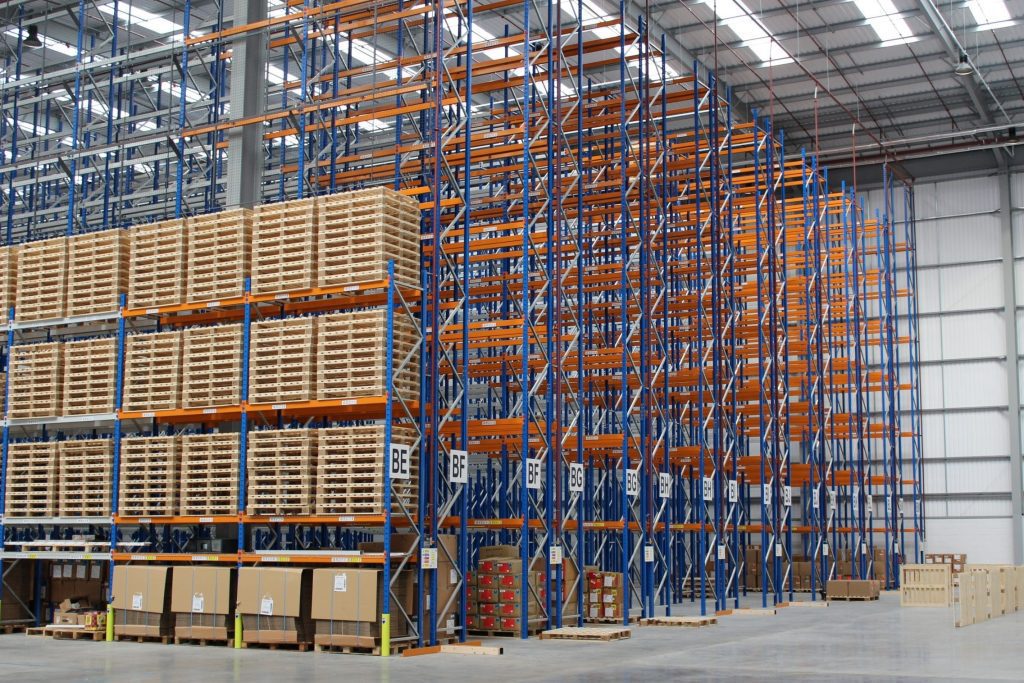
Racking uses vertical space with structured upright frames and beams to store pallets at multiple levels. The access method and handling equipment depend on the racking type and layout; a standard single-deep selective layout has aisle-facing pallet positions. This makes racking and storage particularly useful where floor space is limited and the available building height can be used for additional storage levels.
Racking helps organise inventory by giving each pallet a defined location, which can reduce misplacement and make it easier to locate and retrieve items. However, racking still needs proper load management, regular inspection and suitable handling equipment to be used safely. The actual benefits depend on the racking type, layout, load configuration and operating procedures.
Check All The Types of Racking System Here
What’s the Stacking About?
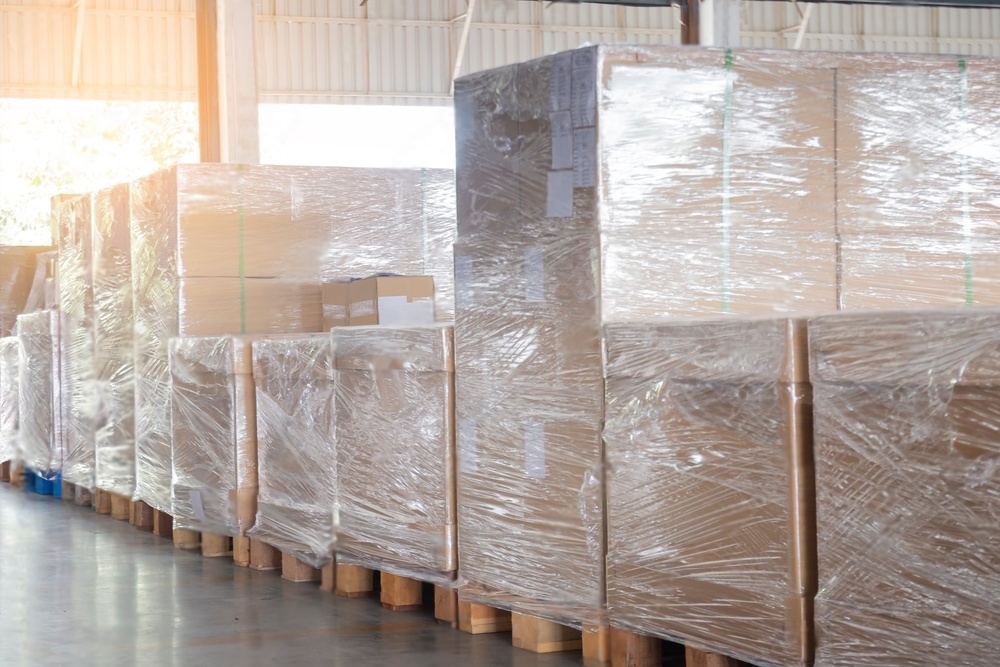
Stacking is a straightforward approach to racking and storage where goods are placed directly on the floor or on top of one another. Compare the actual storage fixtures, handling equipment and work required by the stacking proposal as well as the racking alternative. It works well for uniform, stackable items where the packaging and pallets can support the compression loads of the layers above.
Stacking does have its limitations. Access to individual items within a stack is restricted: to reach something lower down, you need to remove the layers above. Stack height must respect the actual crushing strength of the goods and packaging, the stability of the loaded pallets and the floor conditions. As the UK Health and Safety Executive notes in PM15, pallets and loads have different suitability depending on the storage method, and the manufacturer’s load-bearing information and local conditions should be checked. Operators need clear procedures for safe stacking heights and access.
Racking vs. Stacking: The Comparison
The right choice depends on what you are storing, how you handle it and what your site allows.
Racking is generally more suitable when:
- You have limited floor space and the building height to use additional storage levels.
- You store many different SKUs that need individual access, or fragile and high-value items that should not be compressed.
- You need defined pallet locations, load labelling and regular inspection as part of your operating procedures.
Floor stacking may suit your operation when:
- You store uniform, stackable goods where the packaging and pallets are confirmed to support the compression loads at the planned stack height.
- You have sufficient floor area and do not need individual access to every pallet.
- The planned loading and picking sequence handles batch access and any rehandling without obstructing the required workflow.
Comparing the Total Storage Cost
Floor stacking costs should be compared for the actual proposed layout, including acquisition and installation, the handling time for accessing items within stacks, potential damage from compression or mishandling, inspection and maintenance needs, and the opportunity cost of floor space that could be used vertically with racking. Racking costs should be assessed against the proposed capacity, access, handling and maintenance requirements over the same comparison period.
Suppose one dispatch shift moves uniform goods by the full pallet while another picks mixed orders from individual pallets. Compare the number of pallet moves needed to reach stock and the usable pallet positions under each layout for the same period. Then use the worked installed-cost comparison to account for the costs of each option.
Whether you choose racking or stacking, the operating procedures and load management matter as much as the system itself. If you need help assessing your options, a specialist like Hyperack can survey your warehouse and provide a racking and storage proposal based on your actual requirements.