


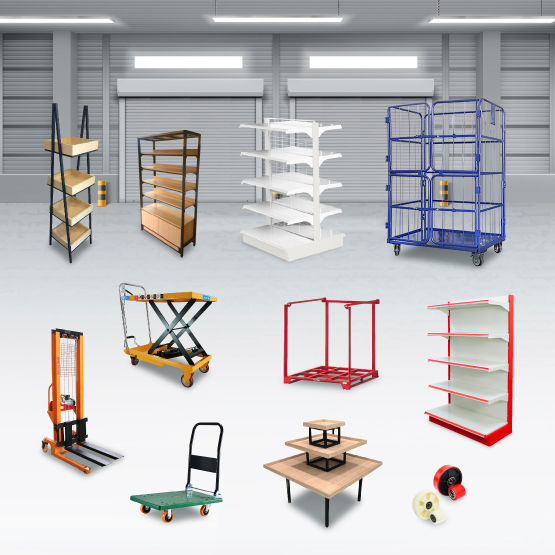
What Are OPPA Racks? Retail Display Guide
- 12/02/2025
- Posted by: macgad-admin
- Category: Racking System
OPPA Racks for Retail Displays: Selection and Layout Guide
Oppa racks are retail display fixtures used to present merchandise on shelves, hooks or hanging bars. This guide covers the Oppa range published by Hyperack in Malaysia. Choose the named fixture and its accessories for the products, available space and support conditions; the range name alone does not establish a load rating.
The published range includes island, wall and freestanding display families. Their dimensions, shelf arrangements and support requirements differ. Start with the merchandise and store layout, then confirm the exact unit, materials, fittings and permitted loads in the quotation.
Use this guide to compare fixture types, prepare a layout brief and ask practical questions before ordering. For general shop-floor versus stockroom planning, see the gondola and boltless rack comparison. The existing display photographs below do not establish a load rating or a measured sales result.
What Are OPPA Racks?
Hyperack’s catalogue presents Oppa fixtures with steel frames and wooden or melamine-board shelf components in selected families. Shelves, hooks, brackets, hanging bars and some cabinet or table arrangements serve different merchandising needs. Confirm which components are included for the selected product.
A display fixture description does not establish a heavy-duty industrial storage rating. Provide the individual item weights, total load on each shelf, hook or bar, and the complete merchandise arrangement. Ask for the permitted loads and support requirements for that configuration.


Key Features of OPPA Racks
Modern Design
Select the frame and board appearance alongside practical requirements such as product visibility, label placement and restocking access. The published catalogue shows frame and board finish options; confirm the available finish for the unit being quoted.
Versatility
The Hyperack catalogue Oppa section (PDF pages 91–94; printed pages 90–93) distinguishes Island Stand, Wall Stand, Wall Rack and freestanding A, B and Cabinet Stand examples. These are published product examples, not confirmation of current stock or a rating shared by every arrangement.
Durability
Confirm the actual frame, shelf or board material, protective finish and accessories in the proposal. The published steel and board descriptions do not establish that every fixture suits wet, outdoor or corrosive conditions. Discuss moisture, cleaning and the intended operating environment with the supplier.
Space and Access
Allow for the complete installed footprint, including bases, projecting hooks, hanging merchandise and any required wall or floor support. Check customer circulation and the route used to replenish stock. Catalogue length and height alone do not establish the space the finished display needs.
Is Your Store Ready for a Serious Upgrade?
Prepare your merchandise sizes and weights, proposed fixture family and store floor plan. Contact Hyperack to discuss the configuration, accessory limits and quotation scope for your display.
Planning OPPA Displays for Malaysian Retail Stores
An Oppa display should be assessed against the products and operating layout of the store. The following checks help compare proposed arrangements without assuming that a particular appearance, number of levels or configuration will increase sales.
Enhanced Product Display
Place merchandise where customers and staff can identify and reach it within the planned display arrangement. Consider product grouping, labels, visibility and replenishment. Any change in foot traffic, purchasing or stock-handling time needs evidence from the actual store.
Using Height Without Blocking Access
Additional display levels can use available height, but the base, merchandise projections and access routes still occupy floor space. Compare the proposed number of product positions with the complete footprint, permitted loads and restocking method.
Flexible Configurations
Begin with the named standard families in the published range. Ask which dimensions, levels and accessories are available for your enquiry and whether a separately specified option is needed. Confirm its installed footprint and fixing requirements before finalising the layout.
Improved Store Aesthetics
Match the selected frame and board finish to your merchandising plan and lighting. Review a sample or product specification where appearance matters. A coordinated display can support presentation, while customer response and sales remain specific to the store.
Care and Inspection
Follow the supplied cleaning, care and inspection instructions for the selected fixture. Check connections, shelf or accessory retention, supports and any specified fixings; report loose, damaged or deformed parts for assessment. Ask which cleaning methods suit the finish and board material. A retail display label does not justify reducing inspection or maintenance.


How to Incorporate OPPA Racks into Your Store
Assess Your Store’s Layout
Prepare the packed merchandise dimensions, individual weights and intended quantity on each shelf, hook or bar. Add the floor plan, available height, checkout location, doors, fixed obstructions, customer circulation and restocking route. State the operating environment and any wall or floor conditions relevant to the proposed support arrangement.
Choose the Right Type of OPPA Rack
Use the exact family name when comparing installations. In Hyperack’s catalogue, Wall Stand and Wall Rack describe different support arrangements:
- Wall Stand: The catalogue describes this family as wall-mounted. Confirm the wall condition, specified supports, fixing method and installation responsibilities for the selected unit.
- Wall Rack and island arrangements: The catalogue describes Wall Rack as freestanding and separately presents Island Stand. Confirm the base, stability and any fixing requirements for the intended merchandise and access routes.
- A, B and Cabinet Stand examples: These published freestanding families use different dimensions and level arrangements. Confirm the complete unit and any shelf, hook or bar accessories; an extra level does not establish an increased whole-fixture rating.
Plan for Flexibility
Before rearranging levels, adding accessories or changing the merchandise load, check the permitted configuration and adjustment procedure with the supplier. Follow its instructions for unloading, connections, supports and fixing requirements. Request a revised specification where the proposed load or arrangement changes.
Collaborate with Suppliers
Compare written proposals for the same fixture family, dimensions, shelf or hanging arrangement, materials, finish and permitted loads. Ask what is included for accessories, supports and fixings, delivery, installation, instructions and warranty. Confirm any separately specified work rather than assuming all quotations cover the same scope.
Where to Find OPPA Racks in Malaysia
The following supplier-published pages provide starting points for product enquiries. Check the exact entity, fixture and quotation terms with the supplier:
- Hyperack (Klang, Selangor) — Its Oppa product page describes the published range, catalogue examples and information to prepare for an enquiry.
- Yepe Sdn Bhd (Seremban, Negeri Sembilan) — Its official website lists Oppa Rack among its product categories and gives its Seremban headquarters address.
- Y3 Commercial Equipment Sdn Bhd (Johor, Malaysia) — Its official website identifies the Malaysian company and lists Oppa racking. Confirm the particular product and supply scope with that company.
These are examples of published product routes, not a ranking or evidence that products from different suppliers have identical specifications. Confirm the current configuration, availability, delivery area and quotation scope directly. Do not apply one supplier’s dimensions, load limits or terms to another supplier’s fixture.
Conclusion
Choose an Oppa display by its named family, merchandise load, installed footprint and support requirements. Use the published product information to prepare questions, then obtain the specification and instructions for the actual configuration being quoted.
Review the layout with the people who will load, replenish and use the display. Confirm the accessory and whole-fixture limits, fixing requirements and agreed supply and installation scope before ordering. Assess any later change against the documented arrangement.