

What is a Selective Racking System?
- 15/11/2024
- Posted by: macgad-admin
- Category: Racking System
What is a Selective Racking System?
Selective racking systems provide direct access to individual pallet positions from an access aisle in a standard single-deep layout. Hyperack’s March 2020 project post describes supplying selective pallet racking for DB Schenker, where the published requirements included varied goods and frequent restocking. This article explores what selective racking systems are, how they work, and what to consider when choosing one for your warehouse.
How Does a Selective Racking System Work?
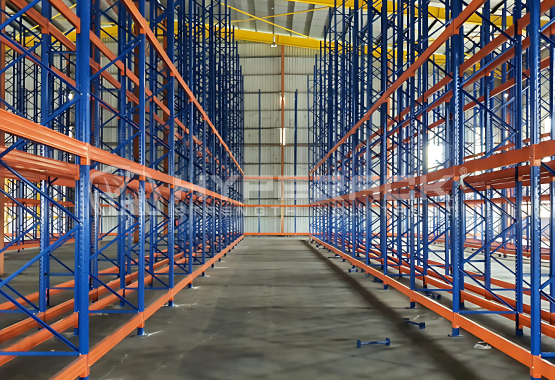
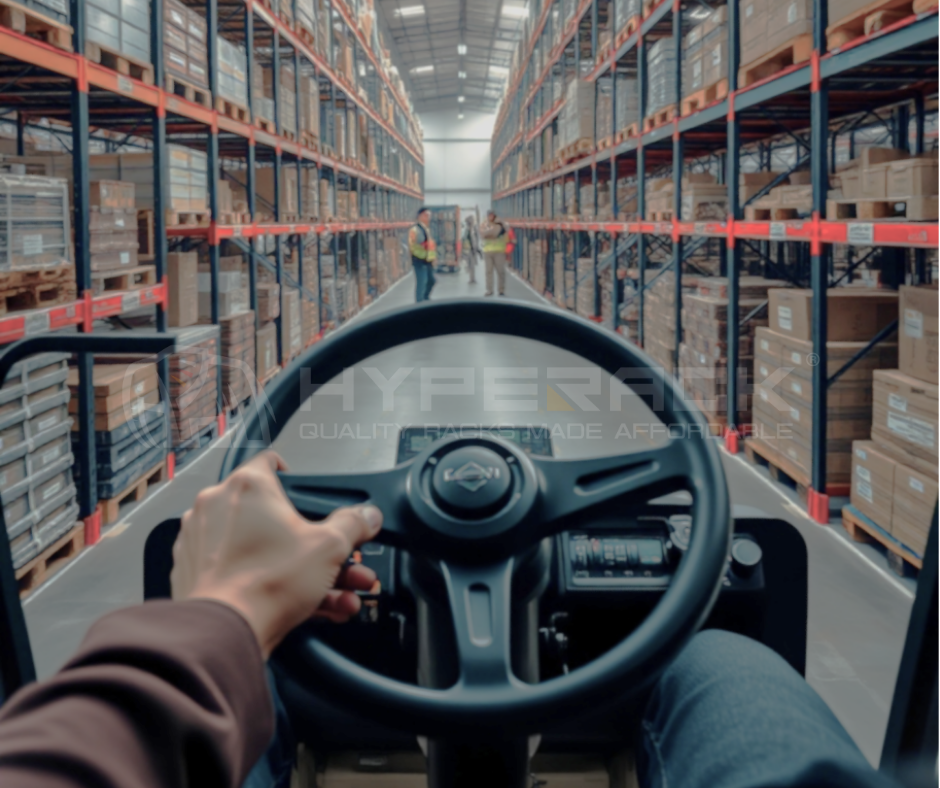
In a standard single-deep selective layout, each pallet position faces an aisle, enabling a forklift or reach truck to retrieve items without moving other pallets. The system typically consists of upright frames and horizontal beams, which form rows for pallet storage. An operator can select an aisle-facing pallet without first removing pallets in front of it; deep-lane layouts use a different stock-access arrangement. To identify the parts shown on a drawing or quote, see our guide to pallet rack parts.
Additionally, selective racking is compatible with many common forklift types. However, the required aisle width and lift height depend on your actual handling equipment, loaded pallet dimensions and the warehouse clear height, so these should be confirmed with the equipment and racking suppliers together.
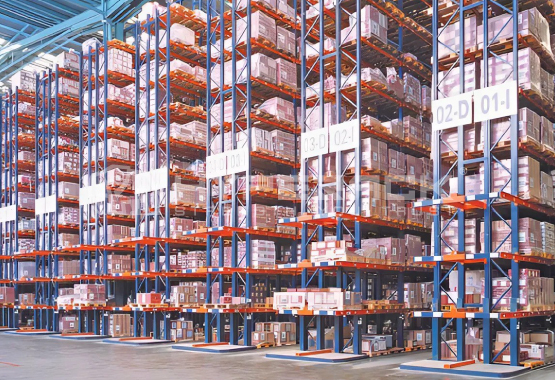
Benefits of a Selective Racking System
Selective racking systems offer several benefits that make them suitable for various warehouse operations:
- Direct Pallet Access: Each aisle-facing position can be reached individually, which suits facilities with high SKU variety and frequent picking. Actual picking speed depends on the layout, aisle width, equipment and operator workflow.
- Straightforward Design: Compare the proposed beam-and-upright layout with alternatives using the same load, capacity and installation requirements. Actual installed cost depends on the number of positions, beam and frame sizes, finish, site conditions and the supplier’s scope, so request an itemised quotation for meaningful comparison.
- Scalable and Adaptable: Proposed extensions or beam-level changes need a review of component compatibility and the revised configuration capacity. Plan the assessment and changeover scope before committing to an alteration.
- Compatible with Many Forklift Types: The system works with counterbalance, reach and narrow-aisle trucks, though the aisle width and lift height must match the equipment used. Confirm compatibility with your equipment supplier before finalising the layout.
When to Use Selective Racking Systems?
Selective racking shines in warehouses that handle diverse inventory and require flexible storage. Common use cases include:
- Warehouses with High SKU Variety: Businesses that store numerous different products benefit from easy access and high selectivity.
- Operations with High Turnover Rates: Selective racking allows quick access to individual pallets, which suits operations that pick frequently from many different lines. Actual retrieval time depends on the layout, handling equipment and how the picking sequence is organised.
- Warehouses that Need the Access-Versus-Density Trade-off: Selective racking uses more aisle space per pallet position than deep-lane systems, but every position is individually accessible. Compare this access-versus-density trade-off using the number of pallets held per SKU, pick frequency and the proposed layout.
Selective Racking System vs. Other Racking Systems
When evaluating storage options, it’s useful to compare selective racking to other popular systems:
- Selective vs. Drive-In Racking: Drive-in racking stores pallets in deep lanes, typically loaded and unloaded from one end (Last-In, First-Out). Compare the proposed storage density with the required loading and retrieval sequence; pallets behind others in a lane are not directly accessible. Through-lane and flow variants use different loading arrangements, so the actual density and access depend on the specific configuration proposed. Selective racking trades some of that density for direct access to every aisle-facing position, making it more suitable for varied SKU storage.
- Selective vs. Pallet Flow Racking: Pallet flow racking uses inclined lanes with rollers or wheels so that pallets loaded at one end travel to the pick face at the other (First-In, First-Out). Whether FIFO flow suits your operation depends on the actual product, pallet type, load weight and your handling plan. Compare the actual quoted scope and operating requirements of each option against throughput, pallet compatibility and stock-rotation needs.
To compare other layouts against your stock, building and handling equipment, use our warehouse racking selection guide.
Planning a Selective Racking Installation
A selective racking project involves several planning inputs and responsibilities. Here are the key areas to address with your supplier before work begins:
- Pallet, Load and Equipment Details: Provide the actual pallet dimensions, maximum loaded weight per position and the handling equipment to be used. These inputs support the project team’s review of the proposed configuration, equipment access and applicable load notices.
- Design Configuration and Site Assessment: The racking supplier should produce a layout drawing with rated capacities for the proposed configuration. This requires a site and floor assessment to confirm that the slab can support the loaded racking, and that the clear height and building columns work with the proposed arrangement.
- Installation and Handover: Clarify who is responsible for installation, anchoring, levelling and alignment, and what handover documentation you will receive, including load notices, as-built drawings and agreed inspection or handover records.
- Layout, Access and Clearance Checks: Ask the project team to check the equipment manufacturer’s aisle requirements, loaded pallet dimensions and operating clearances, and confirm how traffic, access and fire-safety requirements are addressed in the proposal.
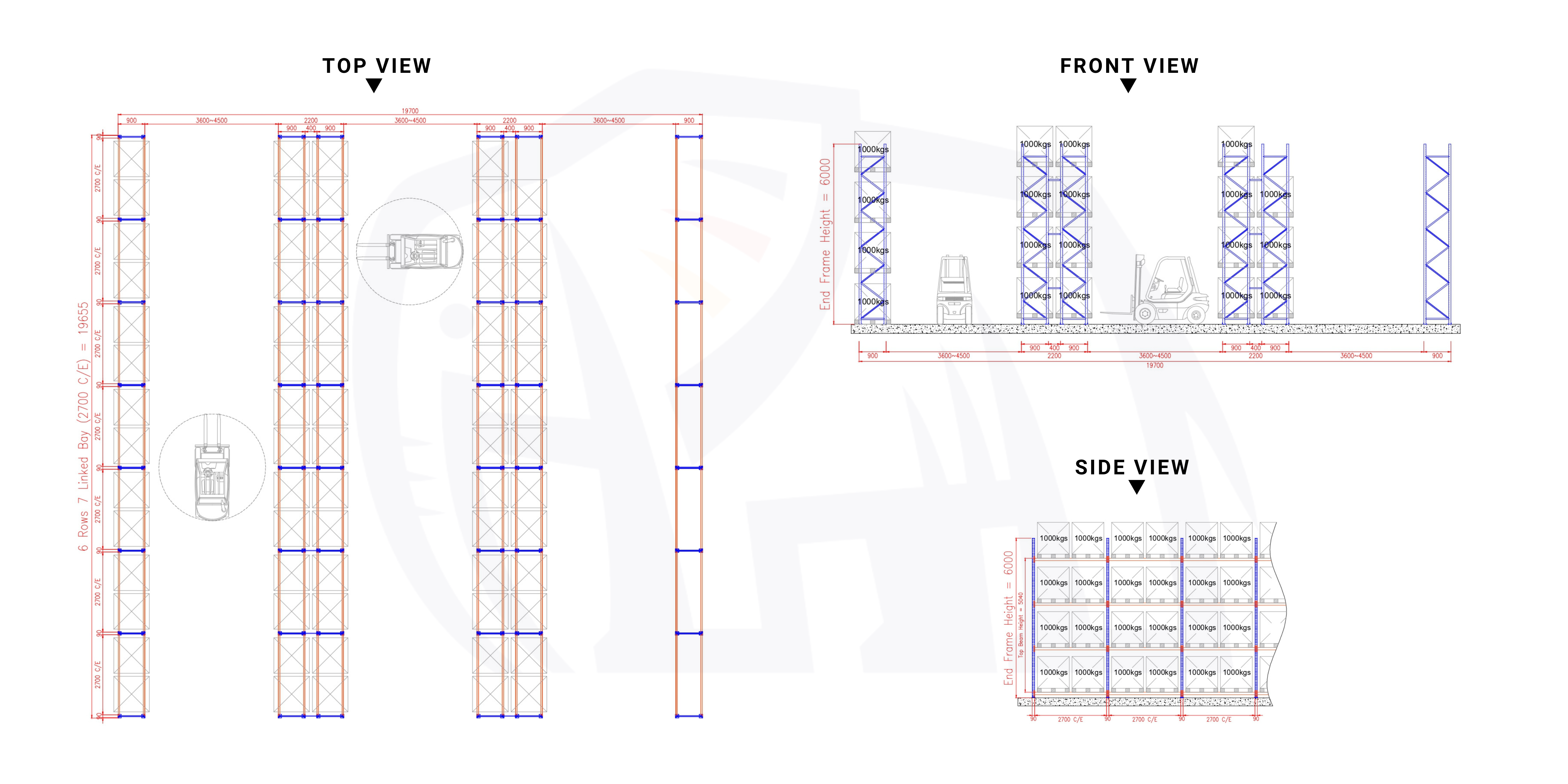
Cost of Installing a Selective Racking System?
The cost to install a selective racking system varies widely based on the number of pallet positions, beam and frame specifications, surface finish, site preparation, anchoring and the supplier’s installation scope. Because these factors differ between projects, a meaningful price comparison requires itemised quotations with the same scope and specification. Ask each supplier to break out the racking, delivery, installation and any design or engineering fees so you can compare on a like-for-like basis.
Choosing a Selective Racking Supplier
Compare documented product specifications, project experience and service responsibilities against the requirements of your proposal:
- Research Local Suppliers: Start by looking for suppliers with a solid reputation and documented project experience in racking systems. Completed project references and customer reviews can provide valuable insight into their service quality and reliability.
- Check Certifications: Ask the provider about their product testing, manufacturing standards and any third-party certifications. Review the specific scope of each certificate rather than relying on a general label.
- Evaluate Customer Support: A good provider should offer site assessment, design consultation, installation support and after-sales service including racking inspection guidance and support for alterations.
- Compare Pricing and Warranties: Get quotations from several providers with the same specification and scope. Review warranty terms to understand what is covered, for how long, and under what conditions.
Ready to take the next step? At HYPERACK, we specialize in selective racking systems tailored to your needs. Contact us today for a free consultation and let our experts help you optimize your warehouse storage solution! Explore our social media to see real-life projects in action.
Conclusion
Selective racking systems offer direct pallet access, a straightforward design and compatibility with common handling equipment. They suit operations that store many different SKUs and need to pick individual pallets frequently. The right configuration depends on your actual loads, equipment, site conditions and throughput requirements, so work with your supplier to confirm these before committing to a layout.