

Cost-Benefit Analysis of Racking System Upgrades: When & How to Invest
- 14/03/2025
- Posted by: macgad-admin
- Category: Racking System
Modern warehouses are evolving rapidly, and staying competitive means continually assessing and upgrading infrastructure. A cost-benefit analysis (CBA) for racking system upgrades can help companies determine the right time and strategy for investment, supporting informed decisions about both near-term costs and longer-term operational outcomes.
Introduction
Warehouse managers and supply chain professionals face constant pressure to optimize space, enhance safety, and improve productivity. Upgrading your racking system isn’t just a matter of replacing old equipment; it’s a strategic investment that can be worthwhile when the specific costs and benefits are carefully evaluated. In this article, we explore the key factors in a CBA for racking system upgrades, from evaluating costs to quantifying benefits, and provide actionable steps for making informed investment decisions.
Understanding Racking System Upgrades
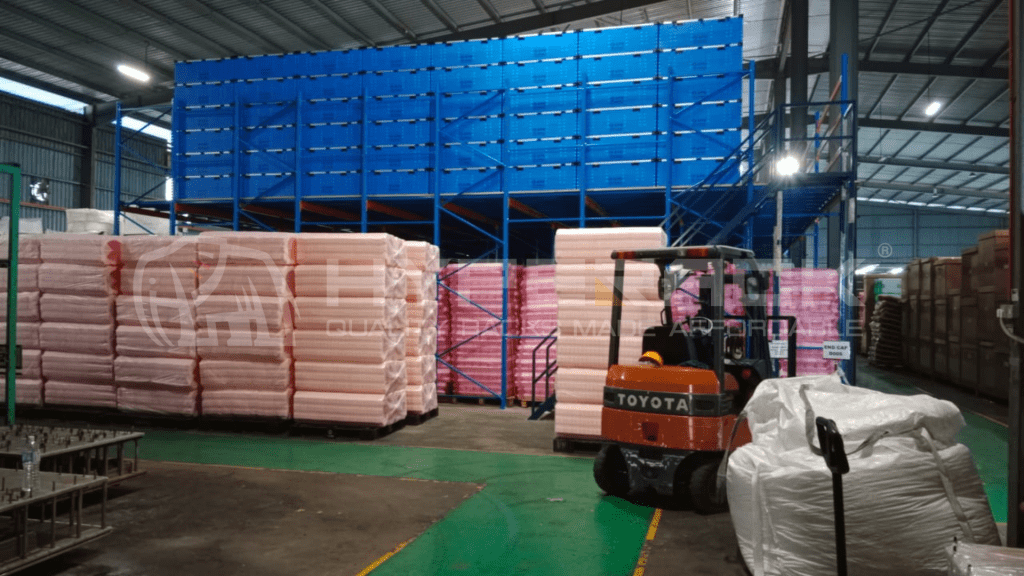
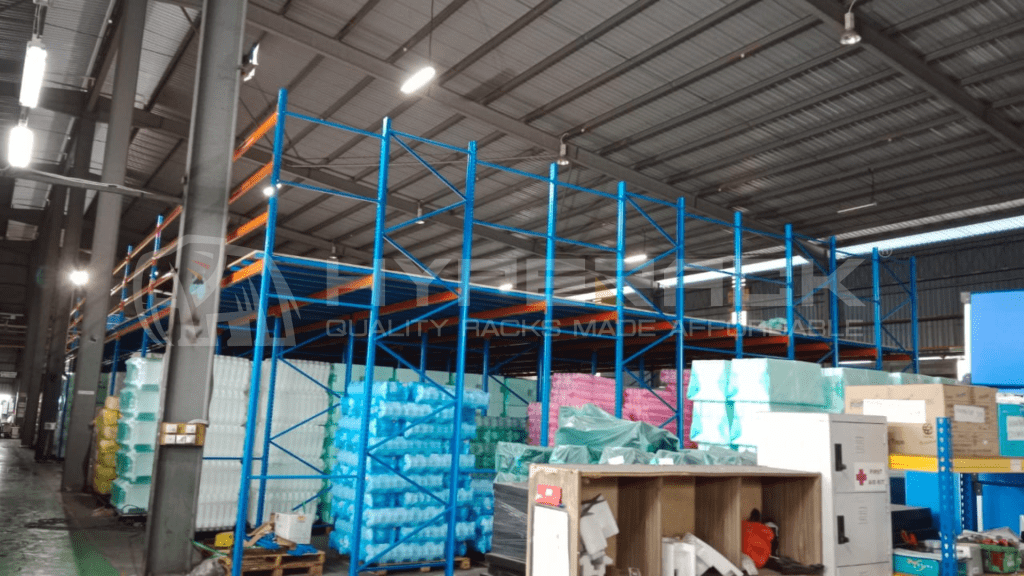
Before diving into the analysis, it’s important to define what constitutes a racking system upgrade. This may involve:
- Modernizing Existing Systems: Replacing outdated racks with more durable, flexible, and space-efficient models.
- Incorporating Advanced Technologies: Integrating automated or digital monitoring systems to enhance safety and operational performance.
- Improving Design and Layout: Optimizing warehouse layouts to maximize storage capacity and streamline material handling.
These improvements can contribute to better space utilization, though whether they translate into measurable cost reductions depends on your specific operation, throughput patterns and existing equipment.
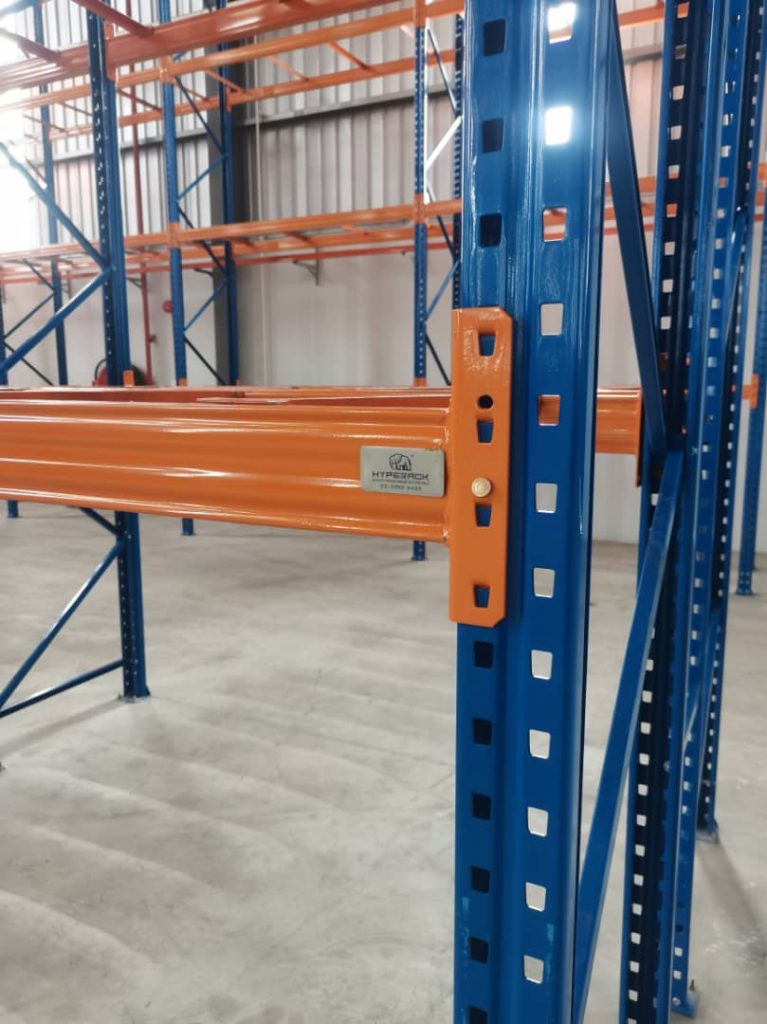
Key Factors in a Cost-Benefit Analysis
A comprehensive CBA for racking system upgrades should consider both tangible and intangible factors:
1. Initial Investment Costs
- Equipment and Installation: Costs associated with purchasing new racks, installation labor, and any required modifications to existing infrastructure.
- Technology Integration: Investment in automation, IoT sensors, or digital management systems that complement the new racking design.
- Training and Transition: Expenses related to training staff to operate and maintain the upgraded systems.
2. Operational Savings
- Increased Efficiency: Faster handling may release staff time. Treat this as an operational benefit; count cash savings only where the change avoids or reduces an actual expense.
- Reduced Maintenance: Compare the inspection and maintenance requirements, likely service costs and downtime exposure of the specific alternatives. A newer system does not by itself justify reducing inspection frequency.
- Energy Savings: Include an energy saving only where the proposal identifies a credible mechanism and supporting measurements or calculations. A different racking layout alone does not establish a reduction in energy use.
3. Revenue Impact
- Storage Capacity: Better space utilization can increase inventory positions, though whether this translates to higher sales volumes depends on your demand patterns and handling constraints.
- Safety Record: Ask the insurer whether the proposed changes affect cover or premiums, and use confirmed terms rather than assuming a reduction.
- Customer Satisfaction: Improved efficiency can contribute to faster order fulfillment, though the effect on customer loyalty depends on whether fulfillment speed is currently a constraint in your operation.
4. Intangible Benefits
- Scalability and Flexibility: Consider whether the proposed system can accommodate the storage changes you anticipate. Any later reconfiguration should be assessed for the actual equipment, loads and site.
- Competitive Advantage: Identify any strategic benefit that matters to your operation and how you would assess it; avoid assigning it a cash value without a defensible basis.
Calculating ROI: Steps and Considerations
To determine if a racking system upgrade is a worthwhile investment, follow these steps:
Step 1: Estimate Total Costs
- Gather Quotes: Obtain detailed estimates for equipment, installation, technology integration, and training.
- Consider Hidden Costs: Factor in potential disruptions during installation and any necessary downtime.
Step 2: Quantify Savings and Benefits
- Labor Reallocation: Estimate released handling time separately from cash savings. Record the actual expense avoided or reduced before assigning a cash benefit.
- Maintenance and Energy Savings: Estimate lower maintenance costs and reduced energy consumption based on the specific systems you are comparing.
- Potential Revenue Effect: Consider whether increased storage positions would actually translate to additional revenue in your specific business, accounting for demand patterns and handling constraints.
Step 3: Determine the Payback Period
- Break-Even Analysis: Estimate payback from credible incremental net cash benefits and the complete project cost, with timing and assumptions stated. Additional revenue and released staff time are not automatically net cash savings.
- Long-Term Projections: Consider a multi-year horizon to capture the full benefits of the upgrade.
Step 4: Risk Assessment
- Evaluate Market Conditions: Assess economic factors and market trends that could influence the investment’s outcome.
- Plan for Contingencies: Develop strategies to mitigate risks, such as delays or cost overruns.
Benefits of Upgrading Your Racking System
Increased Efficiency and Productivity
Modern racking systems are designed to improve space utilization and support more organized warehouse operations. Whether this translates into faster order processing or measurable labor savings depends on factors including the existing layout, handling equipment, inventory profile and operational workflow.
Enhanced Safety and Compliance
Newer systems may include updated safety features. Whether a particular upgrade reduces incident rates or meets your jurisdiction’s regulatory requirements depends on the system’s configuration, installation quality and the surrounding operational practices.
Future-Proofing Your Warehouse
Investing in flexible, scalable racking systems may allow your business to adapt to changing storage needs without requiring a full replacement in the near term.
Challenges and Considerations
While the potential benefits are significant, there are challenges that businesses must navigate:
- High Initial Capital Outlay: The upfront costs can be significant, which may be a barrier for smaller operations.
- Integration with Legacy Systems: Ensuring that new systems work seamlessly with existing processes and technology can require additional investments.
- Employee Adaptation: Successful implementation depends on adequate training and change management strategies.
Addressing these challenges early can reduce disruption during the transition period.
Evaluating Your Own Upgrade
Rather than relying on general industry benchmarks, build your evaluation from your own operation’s numbers. A practical checklist:
- Current Baseline: Document your existing storage capacity, average loading and unloading times, maintenance frequency and incident records. These figures are the starting point for any meaningful comparison.
- Usable Capacity vs. Gross Space: A new racking layout may offer more positions, but usable capacity depends on your pallet sizes, handling equipment reach and access aisle requirements. More rack positions do not automatically mean more throughput or revenue.
- Labor Reallocation: Faster handling may release staff time. Record any operational use of that time separately, and count a cash saving only where an actual expense is avoided or reduced.
- Insurance and Compliance: A new racking system does not automatically lower insurance premiums or establish regulatory compliance. Confirm with your insurer what specific changes they recognize and what documentation they require.
- Implementation and Transition Costs: Include quoted equipment, installation, any operational downtime during changeover, staff retraining and ongoing maintenance obligations. For help structuring your comparison, see our guide on comparing warehouse racking quotations.
Decisions on racking upgrades are best made by comparing actual project-specific costs and realistic capacity and efficiency gains against your documented baseline, with assumptions clearly stated.
Conclusion
A thorough cost-benefit analysis is essential for determining the right time and strategy for a racking system upgrade. The outcome depends on your specific operation: the condition and capacity of your current system, your actual handling volumes, available capital and the quotations you receive.
An upgrade decision should follow from your own project numbers rather than general assumptions about benefits. Document your baseline, obtain comparable quotations, state your assumptions and review the results against your targets after implementation.