

Racking System Safety Best Practices: Preventing Accidents & Ensuring Compliance
- 21/03/2025
- Posted by: macgad-admin
- Category: Racking System

Ensuring safety in warehouses is critical to protecting both personnel and assets. As racking systems become more advanced and warehouse operations continue to grow, it’s essential to implement practices that reduce risks and address the safety requirements relevant to your operation.
Introduction
Warehouse safety is a top priority for businesses that rely on racking systems to store and manage inventory. With the potential hazards associated with heavy loads, complex layouts, and ongoing maintenance, establishing robust safety protocols is essential. This article explores practices for maintaining safe racking systems, covering inspection planning, load management and training to support a safer working environment.
The Importance of Racking System Safety
Protecting Personnel and Assets
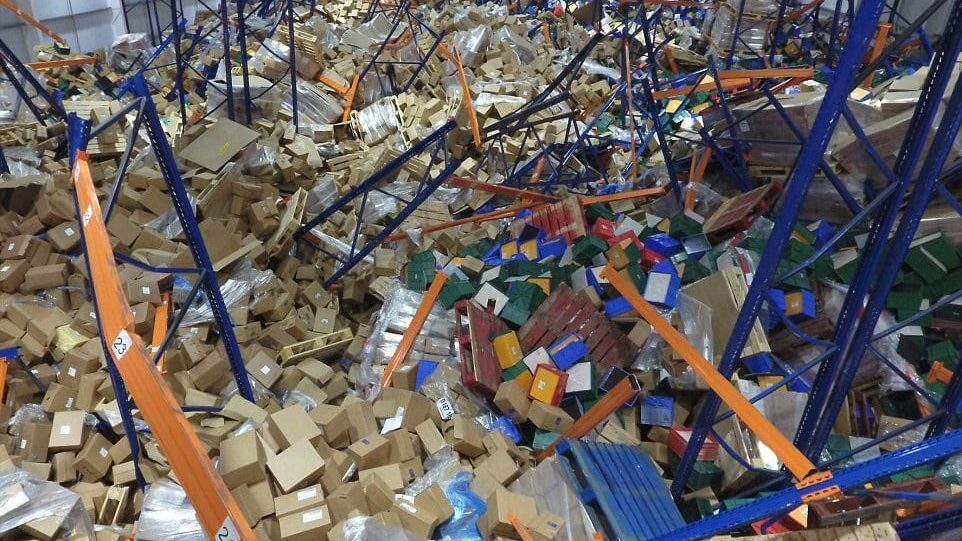
Racking systems are designed to optimize space, but if not properly maintained or used, they can pose significant risks. Accidents can lead to injuries, operational disruptions, and financial losses. Prioritizing safety protects employees and preserves valuable inventory, contributing to overall operational efficiency.
Regulatory Compliance
Regulatory requirements vary by jurisdiction. In Malaysia, the Department of Occupational Safety and Health publishes the HIRARC guidelines, which outline hazard identification, risk assessment and control measures applicable to workplace operations including warehousing. Understanding which regulations apply to your specific operation is a necessary first step in building an effective safety programme.
Common Safety Hazards in Racking Systems
Understanding potential hazards is the first step in preventing accidents. Some common issues include:
- Overloading: Exceeding weight limits can lead to structural failures.
- Improper Installation: Inadequate assembly or misalignment increases the risk of collapse.
- Damage and Wear: Regular use can result in wear and tear that compromises structural integrity.
- Inadequate Inspections: Without periodic checks, issues may go unnoticed until they cause major problems.
- Environmental Factors: Poor lighting, uneven floors, or obstructed access can exacerbate risks.
Best Practices for Racking System Safety
1. Regular Inspections and Maintenance
- Scheduled Inspections: Implement checks at intervals based on your site’s risk assessment to identify wear, damage or misalignment. For guidance on what to look for, see our racking inspection guide.
- Preventive Maintenance: Address minor issues before they escalate. Regular maintenance can extend the lifespan of your racking systems and reduce the risk of accidents.
- Documentation: Keep detailed records of inspections and repairs to support compliance efforts and track performance over time.
2. Proper Installation and Load Management
- Professional Installation: Use competent installers who follow the approved design and the manufacturer’s installation instructions, with appropriate acceptance checks before use. For guidance on changes to existing racking, see our guide on moving or altering racking systems.
- Adhere to Weight Limits: Clearly display configuration-specific load notices and enforce strict adherence to avoid overloading.
- Balanced Loading: Follow the loading arrangement and limits specified for the installed racking. Confirm shelf, bay and accessory limits for the actual load distribution rather than assuming every configuration has the same rating.
3. Employee Training and Safety Culture
- Comprehensive Training: Provide thorough training on the correct use and maintenance of racking systems. Employees should be well-versed in identifying hazards and following safety protocols.
- Safety Signage: Use clear signage to indicate load limits, emergency exits, and safe operational procedures.
- Regular Safety Drills: Conduct drills to prepare employees for emergencies, ensuring everyone knows how to react in case of an incident.


Ensuring Compliance with Industry Standards
Adopting a Proactive Approach
Staying informed about relevant safety regulations and industry standards helps you identify gaps in your current practices. Consider the following steps:
- Relevant Guidelines: Regularly review guidance from the authorities that apply to your jurisdiction and racking configuration. In Malaysia, DOSH provides occupational safety frameworks. In the UK, the HSE inspection guidance outlines risk-based approaches to work-equipment checks; this is a UK reference for general inspection principles; assess applicable Malaysian requirements separately.
- Third-Party Audits: Engage external auditors to assess your safety practices and provide unbiased recommendations for improvement.
- Technology Considerations: Consider whether digital monitoring tools suit your operation’s scale, budget and data requirements. Any sensor-based system requires validation against your specific racking configuration and load notices before its readings can inform maintenance decisions.
Planning a Site-Specific Safety Programme
Every warehouse has different racking types, load profiles and traffic patterns. A practical safety programme starts from the conditions on your own site:
- Inspection Planning: Set inspection intervals using applicable requirements, the supplier’s instructions and a risk assessment of your layout, traffic, loading and operating conditions. Provide for additional checks after damage or relevant changes. Each inspection should be carried out by a person competent to identify damage relevant to your racking configuration and its load notices.
- Training and Reporting: Ensure that operators who load, unload or work near racking can recognize common damage types and know how to report them. Training content should reflect your actual racking models, load limits and handling equipment rather than generic material.
- Recordkeeping: Maintain a written record of inspections, identified damage, remedial actions taken and their completion dates. These records support both your own continuous review and any regulatory or insurer enquiry. Malaysia’s DOSH HIRARC methodology recommends documenting hazards, assessed risks and the controls applied.
The effectiveness of any programme depends on consistent follow-through and willingness to act on findings. Identify what needs to change on your site, set measurable targets, and review results over a defined period before drawing conclusions.
Future Trends in Racking System Safety
Advancements in technology continue to shape warehouse safety practices. Emerging trends include:
- Predictive Analytics: Using validated sensor data to support investigation of monitored conditions alongside competent inspections.
- Augmented Reality (AR): AR-based reference material and training tools whose usefulness needs evaluation for the intended tasks and users.
- Smart Racking Systems: Using configured alerts and monitoring data to support reporting and investigation alongside the site’s inspection programme.
Conclusion
Maintaining safe racking systems is a critical component of warehouse management. Regular inspections tailored to your site’s risk profile, proper load management according to the manufacturer’s configuration-specific load notices, and training that reflects your actual equipment and operations all contribute to reducing the likelihood of incidents. Safety improvements are best confirmed through your own site records over time rather than assumed from general statistics.