

Industrial Racking Systems: Why After-Sales Service Matters for Your Warehouse Racks in 2025
- 18/07/2024
- Posted by: macgad-admin
- Category: Racking System
After-sales support for an industrial racking system should be considered when choosing a supplier. Useful support can include condition assessments, technical review of proposed changes, repair coordination and clear records. Confirm the scope for the actual rack, site and operating conditions rather than assuming every service is included.
Ask who to contact, what work is covered, how assessments are arranged and which charges apply. Record the agreed response arrangements and exclusions. Inspection, repair, warranty and insurance are separate matters; confirm how each applies to your installation.
Keeping Your Warehouse and Industrial Racking Systems Safe
Plan routine damage reporting and inspections around the manufacturer’s information, site risks and operating experience. Choose a competent assessor for the rack type and agree the inspection scope. Conditions to report include:
- Bent or damaged beams, uprights, bracing or connectors, without assuming the cause from appearance alone.
- Missing or damaged locking devices, connections, fixings or load notices.
- Damaged pallets, unstable loads, unexpected deflection or changes from the agreed storage arrangement.
Report damage promptly, keep people clear of the affected area and follow the site’s controls for stopping use and obtaining competent advice. Do not wait for the next planned inspection after a significant impact or suspected serious damage. An assessment should identify findings, limits and required actions; it does not guarantee accident prevention or legal compliance. See Hyperack’s racking inspection information when discussing the required scope.
Making Your Warehouse and Industrial Racking Systems Work Smarter
When stock, handling equipment or the layout changes, the original rack configuration may need review. Ask the supplier or a competent rack designer to check the proposed arrangement before work starts. The review may need to address:
- Permitted beam or shelf positions, component compatibility and the installed configuration.
- The actual load dimensions and weights, load distribution and ratings for each level and the complete bay.
- Handling procedures, access and operator instructions for the agreed arrangement, including any training scope.
Prepare photographs taken from a safe position, component markings, existing load notices, the current layout and a description of the proposed change. Do not assume a similar-looking part or a different shelf position preserves the rating. Read the guide to moving or altering existing racking before requesting a review.

After an impact or other suspected damage, record when and where it happened and report it through the site’s procedure. Identify the rack, bay or level and provide photographs only where safe to obtain them. Ask the support provider to confirm:
- Who will assess the installation and what information, access and temporary controls are needed.
- The proposed repair or replacement scope, any operating restrictions and the arrangements for authorising work and return to use.
- Which parts and methods are approved for the original system, whether parts are available and what lead times and charges apply.
- What the quotation includes: assessment, parts, labour, delivery and any unloading, dismantling or reinstatement work. Confirm warranty coverage, exclusions and any insurance claim separately with the relevant provider; do not assume they are part of after-sales support.
Do not improvise straightening, welding or component substitution to make a damaged rack look serviceable. SEMA’s general UK industry repair guidance explains why manufacturer-approved methods and compatible parts matter. Obtain advice for the actual installation and retain the assessment, authorised work scope and completion records.
See our latest warehouse projects on social media! Follow us for success stories and insights.
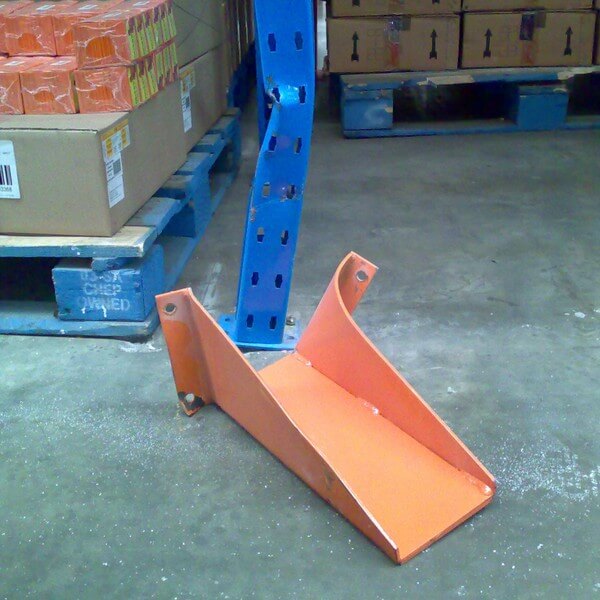

Evaluate support through the information and records it provides, then compare actual costs and operating results. Useful records include:
- The as-installed layout, manufacturer and model details, load notices and approved changes.
- Inspection dates, locations, findings, action owners, agreed deadlines and completion evidence.
- Repair specifications, replacement-part details, relevant instructions and any continuing restrictions.
- The agreed support scope, charges, warranty terms and records of interruptions or recurring damage, so decisions can use evidence rather than assumed savings.
Support Your Racks, Support Your Warehouse
When comparing industrial racking suppliers, review the written support scope alongside the equipment specification and price. Ask about competence, reporting, compatible parts, follow-up actions and the agreed contact arrangements. Reliable records help you manage the system; they do not establish a guaranteed service life, repair time, cost saving or safety outcome.
Discuss the rack type, site, condition and proposed work with Hyperack. Contact Us with the existing load information and relevant details, then confirm the included work, charges and appointment arrangements in writing.